



Museveni Calls for Better Understanding of Africa’s Development Challenges
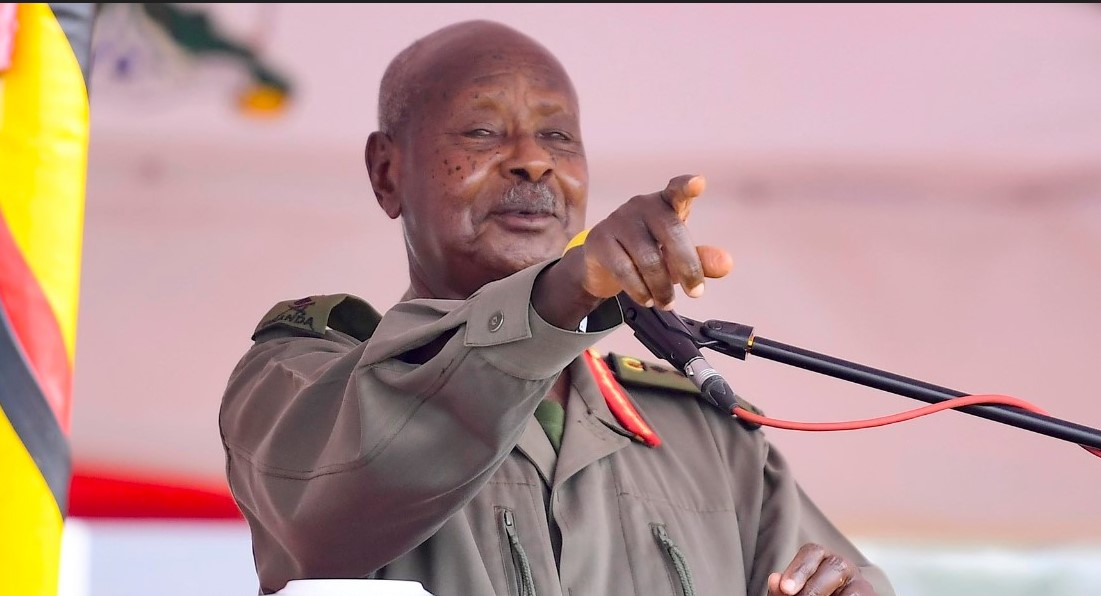
Ugandan President Yoweri Museveni has criticised African leaders who, he says, fail to understand the knowledge and strategies needed to drive sustainable development across the continent.
Ugandan President Yoweri Kaguta Museveni has criticised what he described as a failure by some African leaders to properly study and understand the factors required to develop their countries.
Museveni said Africa’s development challenges cannot be addressed through political rhetoric alone, arguing that leaders need to understand the economic, industrial and technological foundations that drive sustainable national growth.
His remarks come at a time when African countries are increasingly focusing on industrialisation, regional trade, infrastructure development and the need to reduce dependence on imported goods and services.
The Ugandan leader’s message highlights a long-running debate across the continent over how African countries can move from exporting raw materials to developing industries that process those resources locally and create jobs for their citizens.
According to Museveni, leadership should be guided by a deeper understanding of how economies work and what is required to transform a country from a largely consumer-based economy into a productive and industrialised one.
His comments also come as African leaders gather around major investment projects that are being presented as opportunities to strengthen the continent’s economic independence.
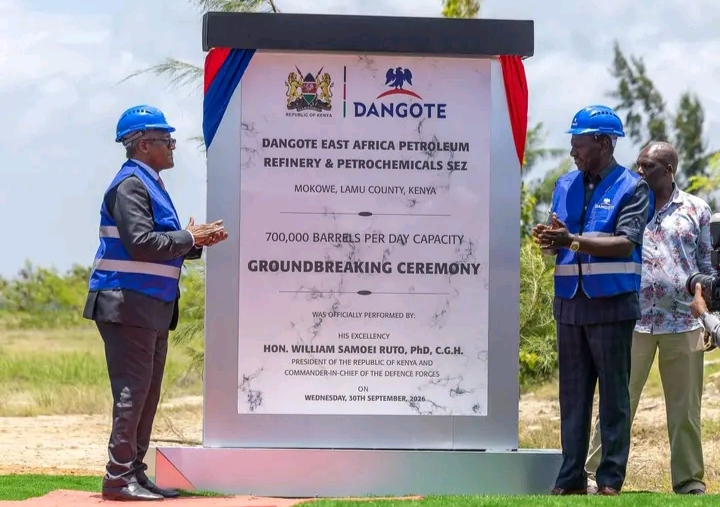
One such project is the proposed East African Oil Refinery in Lamu, Kenya, which is being developed by Nigerian industrialist Aliko Dangote. The refinery is planned to have a capacity of about 700,000 barrels of crude oil per day and is expected to serve markets across East Africa and beyond.
The Lamu project has been presented by its promoters as part of a broader effort to increase Africa’s capacity to process its own resources rather than exporting crude oil and importing refined petroleum products.
Dangote has also argued that Africa needs to retain more value from its natural resources by processing raw materials on the continent. He has said the continent should increasingly produce finished products locally and build industries capable of creating employment and wealth within Africa.
Museveni’s remarks therefore come against a broader background of discussions about African ownership, industrialisation and economic self-reliance.
For decades, many African economies have depended heavily on the export of raw commodities such as crude oil, minerals, agricultural products and other natural resources. At the same time, many countries continue to import finished products that could potentially be manufactured locally.
The challenge has been how to build the infrastructure, technology, skills, financing and institutions needed to change this pattern.
Museveni’s argument places significant responsibility on political leadership. His remarks suggest that leaders need to understand the relationship between education, industrialisation, infrastructure, investment, technology and productivity before designing policies intended to transform their economies.
Education, in particular, remains a major component of economic development. A country requires skilled engineers, technicians, scientists, entrepreneurs, teachers, medical professionals and other specialists to operate and expand modern industries.
African countries have made progress in expanding access to education, but questions remain about whether education systems are producing enough skills that directly support industrialisation and technological innovation.
The debate is also closely linked to Africa’s young population. The continent has one of the world’s youngest populations, creating both an opportunity and a challenge for governments.
A growing young population can provide a large workforce and consumer market if countries create sufficient employment opportunities. However, without adequate jobs, skills and productive industries, population growth can place additional pressure on governments and economies.
Industrialisation is therefore increasingly being discussed as a way of creating employment while increasing the value of African resources.
The proposed Lamu refinery illustrates this approach. Dangote has said the project could create more than 60,000 jobs at the height of construction and would require training and development of local workers.
The project is also expected to involve regional participation. Reports indicate that Kenya and two other East African countries are expected to collectively acquire a 30 percent stake in the refinery.
Such arrangements raise broader questions about African ownership of major infrastructure and businesses.
Dangote has argued that Africans should have greater opportunities to own businesses operating on the continent rather than leaving strategic economic sectors entirely in the hands of foreign investors.
He has also proposed that the Lamu refinery could eventually be listed on the Nairobi Securities Exchange, potentially giving more African investors an opportunity to participate in ownership of the project.
However, major development projects also come with challenges.
The Lamu refinery has faced opposition from some residents and environmental groups, with land rights, compensation and environmental concerns forming part of the legal and public debate surrounding the project.
A Kenyan court has ordered the maintenance of the status quo following a petition by residents concerning land associated with the refinery site. The legal process is continuing, while Dangote has maintained his commitment to the project.
These developments demonstrate that economic development projects also need to take into account communities living in affected areas.
For governments and investors, the challenge is to balance economic ambitions with legal requirements, environmental considerations and the rights of communities.
Museveni’s comments about the importance of understanding development can therefore be viewed within this wider discussion. Development is not simply about announcing large projects. It also involves planning, financing, skills development, infrastructure, regulation, accountability and ensuring that citizens can benefit from economic growth.
Infrastructure remains another important component.
Roads, ports, railways, electricity networks and telecommunications infrastructure provide the foundation upon which industries operate. Without reliable infrastructure, the cost of producing and transporting goods can remain high, making African products less competitive.
The Lamu project itself is closely connected to the strategic importance of Lamu Port. The location provides access to deep waters and international shipping routes, factors that have been cited in explaining the choice of Lamu for the refinery.
Regional integration is equally important.
African countries have created institutions and agreements intended to increase trade between countries, including the African Continental Free Trade Area. Greater intra-African trade could create larger markets for locally manufactured products and encourage businesses to invest in production.
But achieving this requires countries to address barriers such as high transport costs, inadequate infrastructure, bureaucratic procedures and limited industrial capacity.
Dangote has also spoken about the need to improve intra-African trade, including the cost of transporting goods between African countries. His comments have highlighted the need for better logistics and stronger regional supply chains.
Technology is another major factor in the development debate.
African countries are increasingly investing in digital services, artificial intelligence, automation and modern manufacturing. The challenge is ensuring that technology is used to improve productivity while also preparing workers for changing labour markets.
For Museveni’s broader argument, studying successful development experiences can help policymakers understand which strategies have worked elsewhere and how they might be adapted to local conditions.
Countries such as South Korea, Singapore and others are often discussed in development debates because of their transformation from relatively lower-income economies into highly industrialised societies.
However, African countries cannot simply copy another country's model. Each country has its own population, resources, institutions, geography, political system and economic circumstances.
The central question is how African governments can identify strategies that fit their own conditions while learning from experiences around the world.
Museveni’s remarks therefore contribute to a broader conversation about the quality of policy-making and leadership on the continent.
His message places emphasis on knowledge, preparation and understanding rather than simply political promises.
For African citizens, the debate also raises questions about what they should expect from their leaders. Beyond political campaigns, citizens increasingly want governments to demonstrate how policies will create jobs, improve services, expand businesses and increase household incomes.
Ultimately, Africa’s development challenge involves many different actors, including governments, private investors, entrepreneurs, workers, universities, civil society and local communities.
Major investments such as the Lamu refinery demonstrate the scale of projects being considered on the continent. At the same time, the discussions surrounding such investments show that development must address economic opportunities alongside legal, environmental and community concerns.
Museveni’s remarks have consequently placed attention on the need for leaders to understand the complex processes behind national development.
His central message is that Africa’s transformation requires leaders who understand how economies grow, how industries are built and how national resources can be turned into sustainable opportunities for citizens.
As African countries continue to seek greater economic independence, the debate over leadership, knowledge, industrialisation and ownership is likely to remain central to the continent’s future.
The challenge now is not only to identify Africa’s problems but also to develop practical and sustainable solutions that can turn the continent’s vast human and natural resources into long-term economic opportunities.

You Might Also Like
-
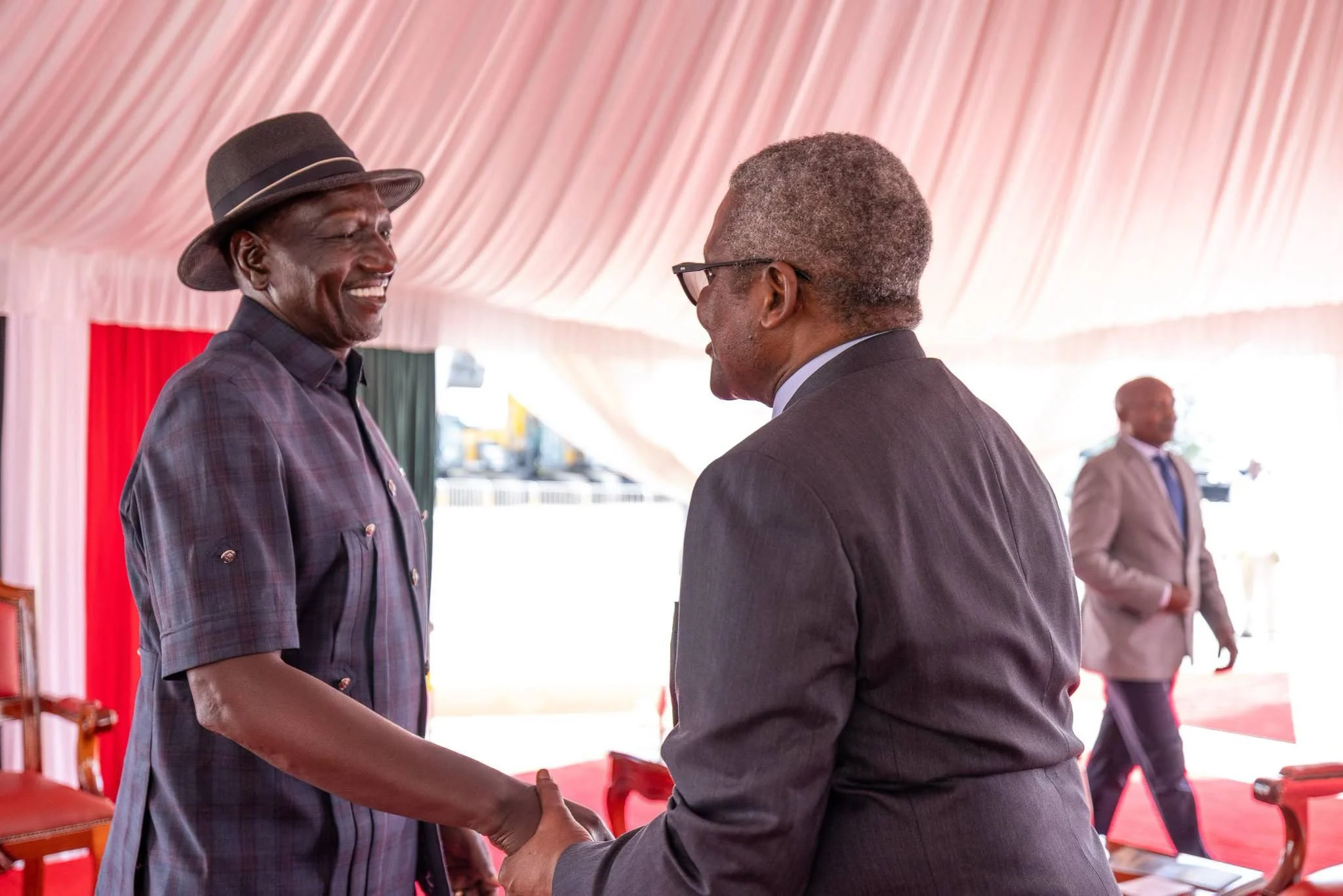
President William Ruto says Kenya will take a stake in the proposed Dangote East Africa Refinery and contribute its assets to the project, stressing that the country will invest and not expect anything for free.
-
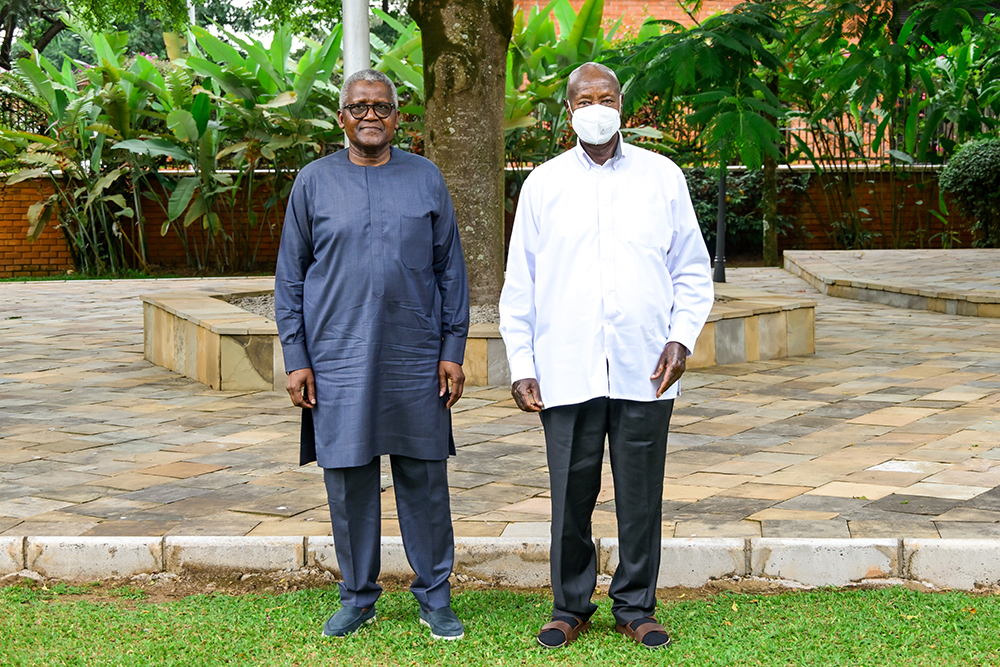
Ugandan President Yoweri Museveni has praised Aliko Dangote as an African investor committed to developing the continent, while criticising leaders he says prioritise foreign interests over African development.
-
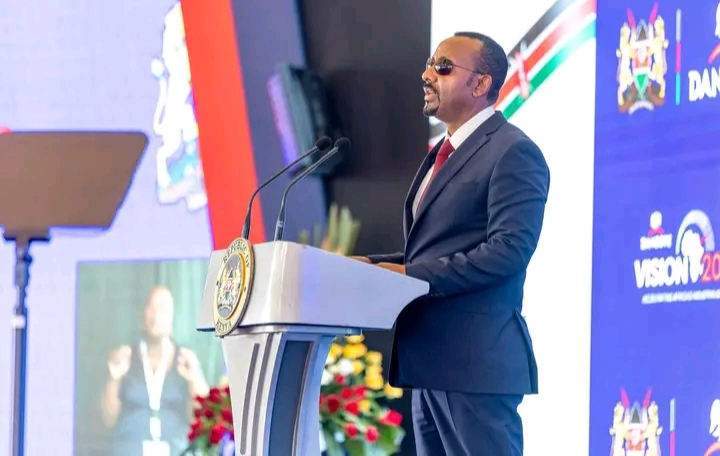
Prime Minister Abiy Ahmed's message during the Dangote East Africa Petroleum Refinery groundbreaking was centred on energy security, Ethiopia's access to additional fuel supplies, regional trade, industrialisation, investment and opportunities for young Africans. He described the Lamu refinery as a
-
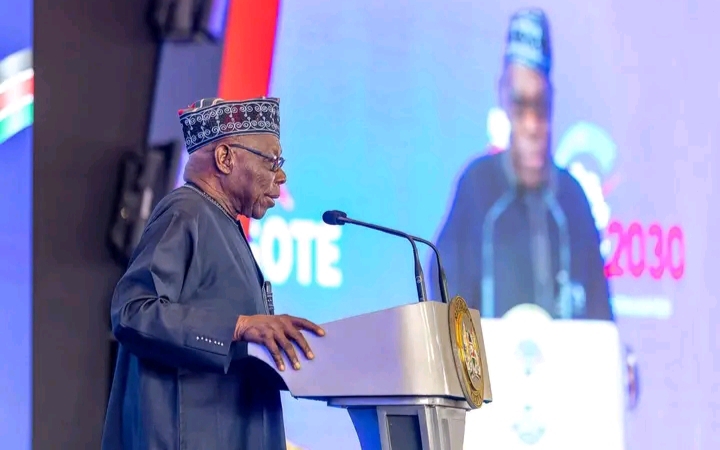
Former Nigerian President Olusegun Obasanjo's attendance at the September 30, 2026 groundbreaking of the Dangote East Africa Petroleum Refinery in Lamu added historical and continental significance to the ceremony. His presence alongside President William Ruto, Aliko Dangote and other African leader
-
President William Ruto's September 30, 2026 groundbreaking ceremony with Aliko Dangote marks a major new chapter in Kenya's energy and industrial development. The proposed Sh2.2 trillion, 700,000-barrel-per-day Dangote East Africa Petroleum Refinery is expected to supply petroleum products to Kenya
-
The EPRA report released on September 29 provides a broad assessment of Kenya's energy and petroleum sectors for the year ended June 30, 2026. Its findings show record electricity demand, increased generation, continued dominance of renewable energy, rising household electricity consumption, higher