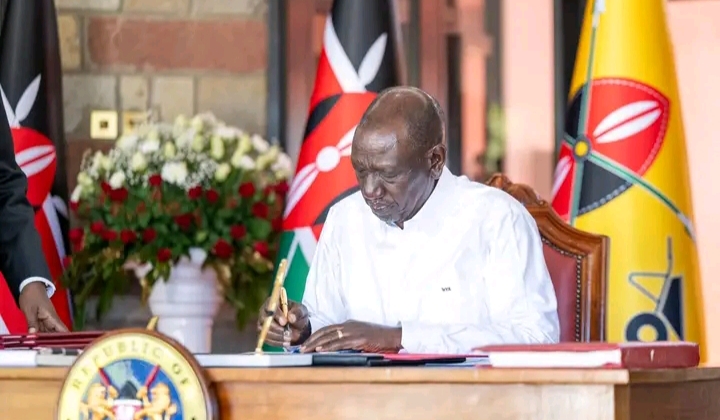
President William Ruto Signs KSh 71 Billion County Allocations Bill at Eldoret State Lodge, Boosting Development Across 47 Counties
President William Ruto's assent to the County Governments Additional Allocations Bill, 2026, at Eldoret State Lodge on October 19, 2026, marks a significant development in the financing of Kenya's devolved governments. The legislation provides approximately KSh 71.09 billion in additional resources for the 2026/2027 financial year, covering specified programmes involving community healthcare, Universal Health Coverage workers, county headquarters, agricultural development, water and sanitation, urban development and climate resilience. The simultaneous signing of the County Assembly Services Amendment Bill, 2023, also brings attention to the institutional arrangements that support the functioning of county assemblies. For the 47 counties, the immediate priority is to translate the legal provisions into effective implementation, transparent financial management and better public services.
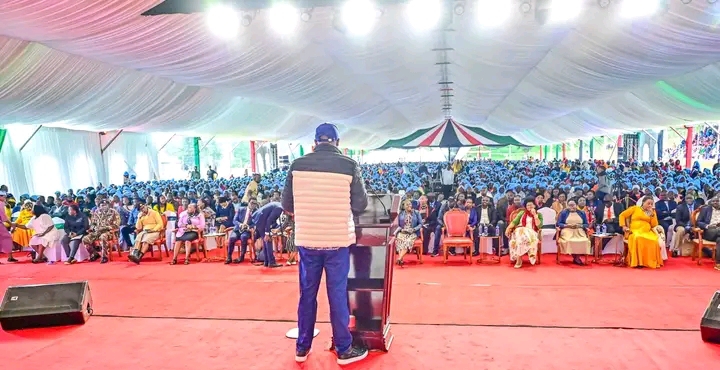
President William Ruto has assented to the County Governments Additional Allocations Bill, 2026, at Eldoret State Lodge on Monday, October 19, 2026, in a significant development for Kenya’s devolved system of government. The legislation provides for approximately KSh 71.09 billion in additional resources for county governments during the 2026/2027 financial year, with funding intended to support key development programmes and improve service delivery across the country’s 47 counties.
The presidential assent marks an important stage in the implementation of additional funding arrangements intended to strengthen county governments and enable them to undertake development projects in areas such as healthcare, infrastructure, agriculture, urban development and climate resilience.
The event at Eldoret State Lodge comes at a time when county governments are expected to deliver essential services to millions of Kenyans, including healthcare, water, sanitation, agricultural extension services and local infrastructure. The additional funding is expected to support specific programmes outlined in the law, alongside resources counties receive through the regular revenue-sharing framework.The legislation also establishes the framework through which additional resources from the national government and development partners can be channelled to eligible counties. However, the money is intended for specified purposes, and its effectiveness will depend on timely disbursement, proper budgeting, transparent expenditure and effective oversight.
President Ruto’s decision to sign the Bill into law therefore places renewed attention on the relationship between the national government and county administrations, particularly their shared responsibility to ensure that public resources translate into tangible improvements in the lives of ordinary citizens.KSh 71.09 billion additional funding for counties
One of the most significant provisions of the newly assented legislation is the allocation of KSh 71,091,926,967 to county governments for the 2026/2027 financial year. This is approximately KSh 71.09 billion intended to finance additional allocations through national government resources and loans and grants from development partners.
The money is separate from the ordinary county revenue allocation framework. It is intended to support specified programmes and responsibilities that require additional resources beyond the regular allocations provided to devolved units.Healthcare and Universal Health Coverage
Healthcare is among the key sectors expected to benefit from the additional allocations framework.
The legislation provides for funding for Community Health Promoters (CHPs), as well as support for the transition of Universal Health Coverage workers to permanent and pensionable terms. It also includes allocations connected to the construction of county headquarters and other specified development programmes.
Community Health Promoters play an important role in connecting households with the healthcare system. Their responsibilities include promoting disease prevention, providing health education and helping communities access appropriate health services.The transition of eligible UHC workers to permanent and pensionable terms is intended to address employment arrangements for the workers covered by the programme. Its practical impact will depend on implementation, eligibility requirements and the availability and release of the allocated funds.
For residents, the central question will be whether these financial provisions help improve access to healthcare, reduce service interruptions and strengthen the capacity of health facilities.
Counties will need to ensure that the funds are incorporated into their budgets and used for the purposes specified under the law. The national government, meanwhile, has a responsibility to follow the established transfer and reporting procedures.The additional allocations are expected to support development across Kenya's devolved system, but the distribution is not necessarily equal among the 47 counties.
Different programmes have different eligibility criteria, funding conditions and allocation formulas. Some allocations are tied to particular projects, while others are determined by the relevant schedules and conditions established by the legislation.
This means that county residents will need to examine the specific allocations assigned to their respective counties to understand which programmes are expected to benefit their communities.
County governments will also have to incorporate applicable allocations into their budgets and follow the legal procedures governing expenditure.The law provides for funds to be transferred into the relevant County Revenue Funds or designated special-purpose accounts, as applicable. The National Treasury is also required to publish reports on actual transfers, while county treasuries must account for the resources received and the expenditure incurred.
These measures are intended to strengthen accountability and allow public institutions to track whether allocated money has actually reached the intended recipients and projects.
For residents, the legislation provides an opportunity to demand greater transparency from county administrations. Citizens can follow county budgets, ask questions about development priorities and monitor whether approved projects are completed.The signing of the Bill is only one stage in the process of delivering the intended benefits. The next challenge is ensuring that the resources are released, budgeted for and spent in accordance with the law.
Kenya's devolved system relies on cooperation between national and county governments. Although counties have constitutional responsibilities, their ability to deliver services depends partly on the timely availability of public resources.
Delayed disbursements can disrupt project implementation, affect suppliers and contractors, and make it difficult for county administrations to plan their activities.
At the same time, releasing additional money without effective financial management would not automatically improve service delivery.The second piece of legislation addresses the administration of county assembly services, including procedures relating to county assembly service boards, clerks and staff. It establishes clearer rules concerning the management and removal of certain officeholders and seeks to strengthen administrative fairness within county assemblies.
County assemblies are an essential part of devolved government. Their responsibilities include passing county legislation, approving budgets and exercising oversight over county executives.
The administration of their staff and service boards affects their ability to perform these responsibilities effectively.
Clearer procedures can help reduce disputes, strengthen institutional stability and provide a more predictable framework for handling administrative decisions.
Taken together, the two laws address different but connected aspects of devolution: the financial resources available to county governments and the administration of county assembly services.What Kenyans should expect next
Following the presidential assent, attention will shift towards implementation.
County governments will need to identify their eligible allocations, incorporate the relevant amounts into their budgets where required and ensure that expenditure follows the conditions set out in the legislation.
The national government and development partners will also have responsibilities in releasing and managing funds according to the applicable agreements and procedures.
Residents should not assume that the entire KSh 71.09 billion will immediately arrive in county accounts on the day the President signs the law. Actual transfers depend on the applicable disbursement schedules, budgetary procedures and the conditions governing individual programmes.The most important developments to watch will include the release of funds, the progress of approved projects, the support provided to community health programmes, and the implementation of water, sanitation, agricultural and infrastructure initiatives.
County administrations will also face pressure to demonstrate that public money is producing measurable benefits rather than being absorbed by inefficient spending or stalled projects.
For communities across the country, the legislation creates an opportunity to strengthen local development, but its promise can only be realised through effective implementation and accountability.

You Might Also Like
-
Self-proclaimed preacher Paul Mackenzie and 29 co-accused have been found guilty on all 191 murder counts in the Shakahola case, marking a major development in one of Kenya’s most disturbing criminal investigations. The case is linked to the deaths of followers associated with Mackenzie’s Good N
-
President William Ruto has received the APSCA 2026 Continental Leadership Award for Visionary Governance and Human Capital Transformation, with Deputy Head of Public Service Amos Gathecha accepting the honour on his behalf. The recognition highlights the importance of leadership, effective governanc
-
Kenya is expected to experience varied weather conditions during this week's forecast period, with rainfall anticipated across western Kenya, the Lake Victoria Basin, the Rift Valley, Central Kenya, Nairobi and selected eastern and coastal areas. Thunderstorms are possible in some locations, while o
-
Siaya Governor James Orengo has condemned attacks and alleged propaganda directed at the Odinga family, describing them as a betrayal of the political struggles and sacrifices associated with the late former Prime Minister Raila Odinga. His remarks come amid growing political tensions over Raila’s
-
Over 6,000 widows meet in Kericho.Led by Governor Eric Mutai, Woman Representative Beatrice Kemei and Principal Secretary Ann Wangombe, the initiative brought attention to the need for sustainable programmes that enable widows to support their families and participate meaningfully in community devel
-
The decision by some farmers in Kapkoros, Bomet Central, to begin uprooting tea bushes has brought renewed attention to the challenges facing smallholder tea growers in Kenya. The reported KSh17-per-kilogramme bonus at Kapkoros for the 2025/2026 financial year has added to concerns about rising pro