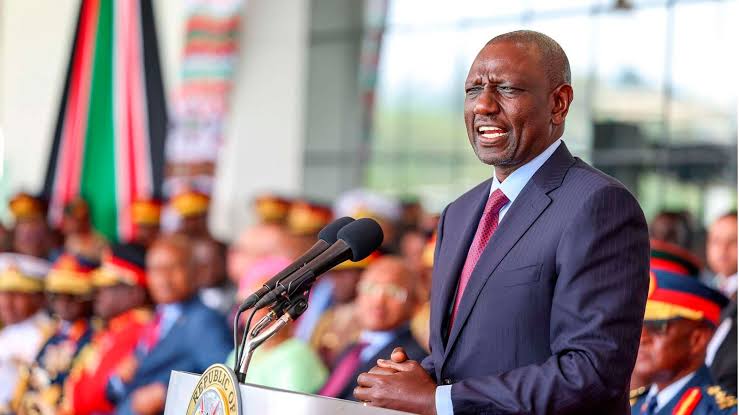
RUTO DEFENDS DANGOTE INVESTMENT AGREEMENT, SAYS IT FOLLOWS STANDARD TERMS FOR INVESTORS
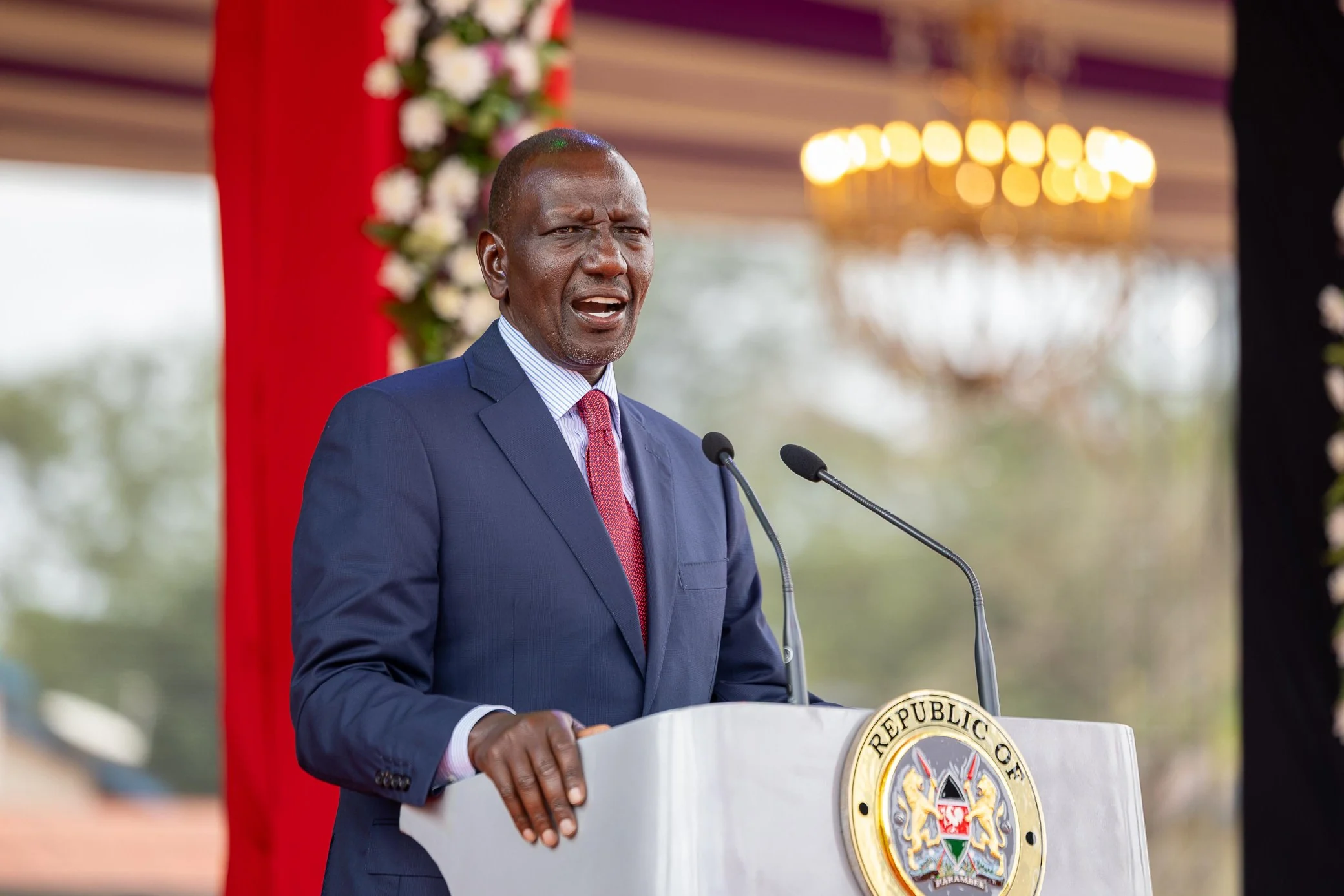
President William Ruto has defended the investment agreement between the Kenyan government and Nigerian billionaire Aliko Dangote, describing it as a standard arrangement available to investors seeking to establish businesses in Kenya. Ruto says the agreement follows established investment procedures and is not an exclusive deal designed for one investor. His remarks come amid growing public interest in the details of the proposed investment, with Kenyans seeking clarity on the terms, obligations and expected benefits of the arrangement. The President maintains that Kenya has established frameworks to guide investors and encourage both local and international businesses to invest in the country. The proposed investment has sparked discussions about its potential contribution to industrial growth, job creation, manufacturing and economic development. Large-scale investments can create opportunities for Kenyan workers, suppliers and small businesses while strengthening the country's productive capacity. However, questions remain about the specific commitments contained in the agreement and how the project will benefit ordinary citizens. Ruto's explanation has placed renewed attention on the importance of transparency, accountability and clear communication when the government enters into major investment arrangements. Kenyans will be keen to understand how the agreement will be implemented, what responsibilities each party will undertake and whether the expected economic benefits will be realised.
President William Ruto has defended the investment agreement between the Government of Kenya and Nigerian billionaire Aliko Dangote, describing it as a standard investment agreement available to investors seeking to establish businesses in the country. The President made the remarks while responding to questions about the agreement, insisting that the document follows the usual framework used to facilitate investments in Kenya.
Ruto maintained that the agreement is an investment arrangement and not an exceptional deal designed exclusively for Dangote. According to the President, the document reflects the standard terms and procedures that guide investors who intend to bring capital into the country and participate in its economic development.
The President's remarks come amid public interest in the details of the proposed investment and calls for greater transparency regarding agreements between the government and major private investors. Some Kenyans have expressed the need to understand the commitments made by both parties, the benefits expected from the investment and the conditions under which the project will operate.
In his response, Ruto appeared confident that the agreement could be understood within the broader framework of Kenya's investment policies. He emphasised that the government has established procedures for engaging investors and that such agreements are part of the process of attracting businesses capable of contributing to economic growth.
The President's statement also highlighted the importance of creating a predictable investment environment. Governments seeking to attract both domestic and foreign investors often rely on clear legal and administrative frameworks to establish the responsibilities of investors, outline government obligations and provide certainty throughout the investment process.
For Kenya, attracting large-scale investments is a central part of the government's economic agenda. Such investments can potentially support industrial development, create employment opportunities, expand local supply chains and increase government revenue. However, the extent of these benefits depends on the nature of the investment, the conditions attached to it and the ability of the parties involved to fulfil their commitments.
Dangote, who is among Africa's most prominent business figures, has built a business empire with interests in industries including cement, fertiliser and manufacturing. His potential investment activities in Kenya have therefore attracted attention from business leaders, policymakers and members of the public who are interested in the country's industrial future.
The possibility of attracting a major investor of this scale presents opportunities for Kenya to strengthen its manufacturing sector and reduce dependence on imported products in areas where local production can be expanded. Large industrial projects can also encourage the development of supporting businesses, including transport companies, suppliers, construction firms and service providers.
Nevertheless, Kenyans have a legitimate interest in understanding the details of major investment agreements, particularly where government commitments or public resources may be involved. Transparency allows citizens to assess whether an agreement serves the country's interests and whether the expected economic benefits are proportionate to any incentives or obligations offered by the government.
Ruto's description of the Dangote agreement as a standard investment agreement may help explain the government's position, but the public debate ultimately depends on the specific terms contained in the document. The description alone does not establish the full scope of the agreement, the obligations of each party or the safeguards intended to protect the public interest.
Investment agreements can cover a wide range of issues, including the scope of a project, the responsibilities of the investor, the regulatory approvals required, the applicable tax framework and the timelines for implementation. Depending on the nature of the investment, they may also address land requirements, infrastructure support, environmental compliance, dispute resolution and the treatment of confidential business information.
Making the relevant details available, where legally permissible, can help clarify these issues and reduce speculation. It can also provide an opportunity for independent experts, business associations and members of the public to assess the likely economic impact of a proposed project.
At the same time, governments must balance transparency with legitimate commercial confidentiality. Certain details may contain sensitive business information, but that does not necessarily mean the entire agreement must remain inaccessible to public scrutiny. Authorities can explain which provisions are confidential and why, while disclosing information that is important for public accountability.
The debate also raises broader questions about how Kenya negotiates with major investors. A country seeking international capital must demonstrate that it is open for business while ensuring that investment terms remain fair and consistent with national laws. Investors require confidence that policies will be applied predictably, while citizens expect the government to protect national interests and ensure that economic opportunities are shared widely.
For Kenya, the challenge is to attract substantial investment without undermining competition or creating an uneven playing field for local businesses. Small and medium-sized enterprises are an important part of the economy, providing employment and supporting livelihoods in communities across the country. Investment policies should therefore encourage large projects while ensuring that local businesses can participate in supply chains and benefit from increased economic activity.
The government can support this objective by encouraging investors to source goods and services locally where practical, develop skills among Kenyan workers and establish partnerships with domestic enterprises. Such measures can help ensure that investment creates benefits beyond the immediate project site.
Employment is another important consideration. Large industrial investments can generate direct jobs during construction and operation, as well as indirect opportunities in transport, logistics, maintenance and other supporting sectors. However, the actual number and quality of jobs depend on the type of project, its scale and the skills required.
Kenyans will be interested in the practical commitments attached to the proposed investment, including its implementation schedule and the opportunities it may create for workers and businesses. Clear information can help distinguish between projected benefits and commitments that are formally contained in an agreement.
The environmental and social effects of large industrial projects also require attention. Depending on the nature and location of an investment, authorities may need to assess issues such as land use, water demand, waste management, emissions and effects on surrounding communities. Compliance with environmental regulations and meaningful public consultation are important safeguards in ensuring that economic development does not come at an unacceptable cost.
The government also has a responsibility to explain how any public support offered to an investor will contribute to national development. Where infrastructure improvements or other public resources are involved, citizens need to understand the anticipated returns and the reasons behind the government's decisions. This helps strengthen confidence in public institutions and demonstrates that investment decisions are guided by clear economic objectives.
Ruto's comments about the agreement with Dangote come at a time when governments across Africa are competing to attract capital, expand manufacturing and create employment for growing populations. Countries that offer reliable infrastructure, skilled labour, clear regulations and effective public institutions can become more attractive destinations for investors.
Kenya has several advantages, including its strategic position in East Africa, access to regional markets, established financial services and transport networks, and a substantial consumer market. However, challenges such as the cost of doing business, infrastructure gaps, regulatory uncertainty and access to affordable financing can affect the competitiveness of local industries.
Securing investment is therefore only one part of the process. The government must also ensure that projects move from agreements and announcements to actual implementation. Investors must fulfil their commitments, while relevant agencies should monitor compliance and address obstacles that could delay projects.
The Dangote agreement has consequently become part of a wider discussion about investment, accountability and economic opportunity in Kenya. While the President has described it as a standard investment agreement, the public interest remains focused on what the arrangement entails and how it will contribute to the country's development goals.
The government can address these concerns by providing accurate information about the investment, explaining the applicable legal framework and clarifying the expected benefits. Such communication would help citizens evaluate the agreement based on verifiable facts rather than speculation or political claims.
The success of any major investment should be judged by its results. These include whether capital is committed and deployed, whether projects are completed as planned, whether jobs are created, whether local businesses gain opportunities and whether the investment contributes to sustainable economic growth.
Ruto's remarks underline the government's position that the agreement with Dangote falls within the standard framework for investors seeking to do business in Kenya. The next important consideration is how the agreement will be implemented, what obligations it places on the parties and whether the anticipated benefits will be realised.
As public discussion continues, transparency and accountability will remain essential to maintaining confidence in the country's investment process. Kenya needs investments that can expand productive capacity, create meaningful employment and strengthen the economy. At the same time, Kenyans deserve clear explanations of major agreements made in their country's name, particularly when those arrangements are presented as important to the nation's economic future.

You Might Also Like
-
The Eastleigh building collapse has become a major emergency requiring coordinated action from Kenyan agencies and international rescue specialists. The participation of the Chinese search and rescue team and Blue Sky Rescue, alongside the provision of specialised machinery by XCMG, has strengthened
-
Kenya's university lecturers' strike continues after repeated negotiations with the government failed to resolve the dispute over the 2025–2029 Collective Bargaining Agreement. The rejection of the latest verbal counter-offer of approximately KSh11.96 billion on October 26 has demonstrated that th
-
President William Ruto has called on Kenyans to prioritise locally produced goods, saying excessive reliance on imports denies the country opportunities to create jobs and grow its economy. He emphasised the need to strengthen local industries, support farmers and empower entrepreneurs to produce go
-
The October 28–29 summit provides a platform for discussions on trade, investment, agriculture, technology, peace and security, while the accompanying economic and humanitarian engagements offer further opportunities to explore cooperation. Kenya’s immediate economic interests include expandin
-
The reported inspection by Deputy President Kithure Kindiki of the Njoro–Beeston–Lawina–Elburgon road on October 27, 2026, highlights an important infrastructure project in Nakuru County. Official records confirm that the wider road programme covers approximately 40 kilometres, has a listed c
-
Former President Uhuru Kenyatta has cautioned Kenyans against fake social media accounts claiming to represent him, his family or his political activities. He has urged the public to verify information before believing or sharing online posts attributed to him. The warning highlights growing concern