Ruto Explains How Proposed PAYE Reforms Could Increase Teachers’ Take-Home Salaries
President William Ruto has defended the Affordable Housing Levy while outlining how proposed changes to the Pay As You Earn (PAYE) tax system could improve the monthly take-home salaries of teachers and other Kenyan workers. The President explained that teachers earning approximately KSh50,000 could receive an estimated additional KSh1,250 in monthly take-home pay under the proposed reforms, despite continued deductions towards the Affordable Housing Levy. The proposed changes seek to ease the tax burden on low- and middle-income earners by increasing the tax-free income threshold, potentially allowing more workers to retain a larger portion of their salaries. Ruto maintains that the housing levy remains an important source of funding for the government's affordable housing programme, which is aimed at expanding home ownership and creating employment opportunities. The proposals have sparked renewed debate about statutory deductions, workers' welfare and the rising cost of living, with teachers and other salaried employees waiting to see how the final tax arrangements will affect their payslips.
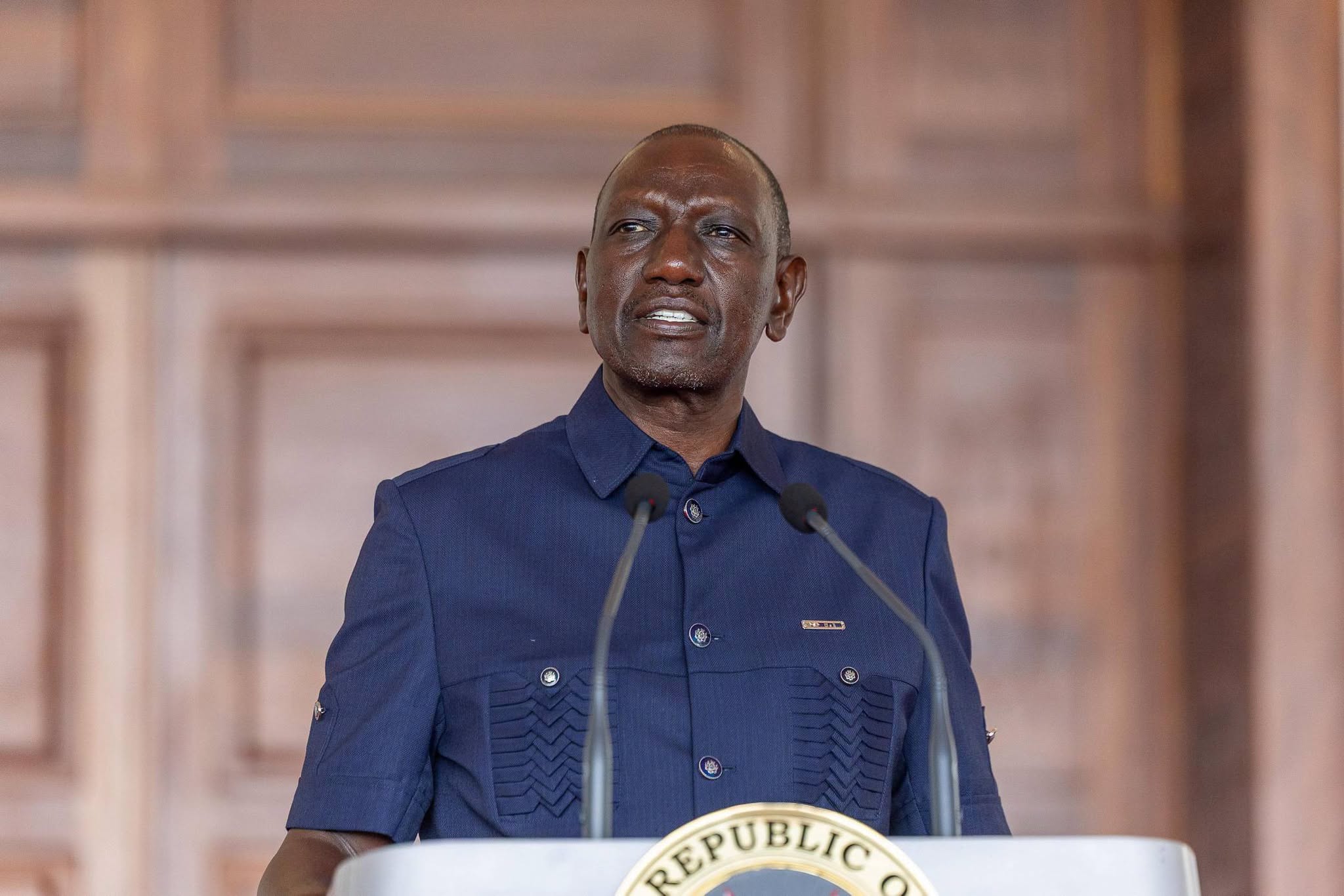
President William Ruto has defended the Affordable Housing Levy while explaining how proposed changes to the Pay As You Earn (PAYE) tax system could increase the amount of money teachers and other salaried workers take home every month.
The President indicated that teachers earning approximately KSh50,000 could receive an estimated additional KSh1,250 in monthly take-home pay under the proposed tax reforms, despite continuing deductions towards the Affordable Housing Levy.
The explanation comes amid growing public debate over taxation, statutory deductions and the rising cost of living, with many Kenyan workers expressing concern about the amount of money remaining in their accounts after monthly deductions.
Speaking about the proposed changes, Ruto maintained that the government was seeking to ease the tax burden on ordinary Kenyans, particularly low- and middle-income earners, while continuing to finance development programmes aimed at improving the country's economic and social infrastructure.
The proposed PAYE reforms are expected to introduce a higher tax-free income threshold, meaning that workers earning lower salaries would pay less income tax or be completely exempted from PAYE depending on their monthly earnings.
Under the proposed arrangement, employees earning KSh32,333 or less per month would be exempted from PAYE. The measure is intended to provide financial relief to workers whose earnings are largely consumed by basic household expenses.
For teachers, the proposed changes could offer some relief at a time when many households are struggling to balance their incomes against increasing expenses. Educators depend on their monthly salaries to meet obligations such as rent, food, transport, school fees, healthcare and loan repayments.
The government argues that reducing income tax for lower-paid workers would increase disposable income and allow households to retain a larger share of their earnings.
However, the proposed changes have also raised questions about how different salary categories will be affected, particularly workers earning above the proposed tax-free threshold.
While defending the proposed tax reforms, President Ruto also addressed concerns surrounding the Affordable Housing Levy, which continues to attract public attention because it is deducted directly from employees' salaries.
The levy was introduced as part of the government's strategy to mobilise resources for the construction of affordable housing units across the country. Under the existing arrangement, employees contribute 1.5 per cent of their gross monthly salaries towards the housing programme, while employers make an equivalent contribution.
For an employee earning KSh50,000 per month, the individual housing levy contribution amounts to KSh750. The government maintains that the programme is intended to address the shortage of affordable housing, particularly among low- and middle-income households that struggle to access decent homes in urban and rural areas.
Through the initiative, the administration hopes to increase the number of affordable housing units available to Kenyans while creating employment opportunities in the construction industry.
The programme is also expected to stimulate economic activity by increasing demand for building materials, construction services, transport and other businesses connected to the housing sector.
Nevertheless, some employees have questioned why they should continue making housing contributions when they are already facing several other statutory deductions. For workers who do not immediately benefit from the housing programme, the levy has become part of a wider debate about the relationship between government development priorities and the financial responsibilities placed on salaried citizens.
Ruto has maintained that the housing programme is a long-term investment that will benefit Kenyans by expanding access to home ownership and providing employment opportunities.
Teachers are among the groups closely following the proposed PAYE reforms because changes in taxation directly affect their monthly earnings. The education sector employs thousands of teachers across public and private institutions, making any changes to their taxation an issue of national interest.
For teachers earning modest salaries, even a small increase in take-home pay could help meet essential household expenses. However, the actual financial benefit will depend on an employee's gross salary, applicable tax rates and other deductions appearing on their monthly payslip.
Teachers earning different salaries may not experience similar changes because the proposed reforms are designed to adjust the tax burden across various income brackets. Those earning below the proposed tax-free threshold could benefit from complete exemption from PAYE, while employees earning higher salaries may continue paying income tax under the revised structure.
This means that teachers will need to examine the final tax provisions to understand how the changes will affect their individual earnings.
The proposed reforms also come at a time when teachers continue to raise concerns about their financial welfare, career progression and working conditions. Many educators have additional financial responsibilities, including supporting their families, paying school fees and servicing loans. Some also face significant transport and accommodation expenses, particularly those working far from their homes.
Consequently, any tax adjustment that increases their disposable income is likely to attract considerable attention within the teaching profession.
The proposed PAYE changes form part of the government's wider efforts to address the cost-of-living challenges affecting Kenyan households. Over the past few years, workers have faced increasing expenses in several areas, including food, electricity, transport, housing and education.
For many salaried employees, the challenge has been balancing these expenses against monthly incomes that may not increase at the same rate as the cost of essential goods and services.
The government has argued that reducing the tax burden on lower-income earners would provide additional financial space for households to meet their daily needs. The proposed reforms are also expected to encourage greater participation in the formal economy by reducing the amount of income tax paid by workers at the lower end of the salary scale.
However, questions remain about how the government will balance the proposed tax relief with its need to raise revenue for national development programmes. The government must finance essential services, including education, healthcare, infrastructure, security and other public programmes.
This creates the challenge of providing meaningful tax relief to workers while ensuring that sufficient resources remain available to support government operations.
Beyond the deductions appearing on employees' payslips, the Affordable Housing Programme remains one of the major development initiatives pursued by the Ruto administration. The government has repeatedly highlighted the programme's potential to create jobs, particularly for young people working in the construction industry.
Construction projects require engineers, architects, masons, electricians, plumbers, painters, transporters and other skilled and unskilled workers. The administration argues that increasing the number of housing projects across the country will provide employment opportunities while supporting businesses involved in the construction supply chain.
The programme is also intended to expand access to decent housing for Kenyans who may not qualify for traditional mortgage arrangements. However, the sustainability of the programme and the affordability of the houses remain important issues in public discussions.
Some Kenyans have questioned whether the intended beneficiaries will be able to afford the houses being constructed, given their current income levels and financial obligations. The government, on its part, maintains that the housing initiative is designed to provide different categories of homes to accommodate Kenyans with varying income levels.
Although President Ruto has explained the anticipated benefits of the proposed PAYE reforms, the changes will require the necessary legislative processes before they can be fully implemented. Parliament will play a central role in examining the proposals, debating their implications and determining whether they should be approved in their current form or amended.
The National Treasury will also be expected to provide the necessary policy and implementation framework to guide the changes. Until the proposals become law and take effect, employers will continue applying the existing tax arrangements when calculating employees' monthly salaries.
Teachers and other workers will therefore have to wait for the final approved provisions to establish the exact impact on their take-home earnings.
The debate is expected to remain significant among salaried employees, trade unions and other stakeholders interested in taxation and workers' welfare. Ultimately, the proposed reforms seek to increase disposable income for some workers while maintaining the government's development financing arrangements, including the Affordable Housing Programme.

You Might Also Like
-
Homa Bay Governor Gladys Wanga has emphasised the importance of investing in quality education to prepare learners for future opportunities and challenges. She has called for a holistic approach to learning that goes beyond academic performance and focuses on nurturing talents, creativity, critical
-
Medical Services Principal Secretary Ouma Oluga has raised concerns over the rising cost of healthcare, warning that poor-quality medical services expose patients to preventable complications, prolonged hospital stays, repeated treatments and avoidable deaths. He has emphasised the importance of str
-
A Nyeri court has sentenced a 26-year-old man to 20 years in prison after finding him guilty of defiling a 13-year-old girl in Mukurwe-ini, Nyeri County. The sentence highlights the legal consequences of sexual offences committed against minors and reinforces the importance of protecting children fr
-
President William Ruto has directed the Ministry of Education to work closely with school head teachers and develop proposals for a further review of capitation funding to address the impact of inflation on school operations. The directive comes amid concerns over the rising cost of running learning
-
Linda Mwananchi's National Delegates Convention (NDC) is set to proceed as scheduled tomorrow after the Political Parties Disputes Tribunal (PPDT) dismissed a petition seeking to block the event over alleged irregularities in the appointment of party officials. The ruling has cleared the way for the
-
Kenya is stepping up efforts to expand bilateral trade with the European Union, targeting key economic sectors with the potential to attract more foreign investment, increase exports and create sustainable employment opportunities. President William Ruto has called for the removal of trade barriers