Ruto Directs Education Ministry to Review School Capitation Funding to Cushion Schools Against Inflation
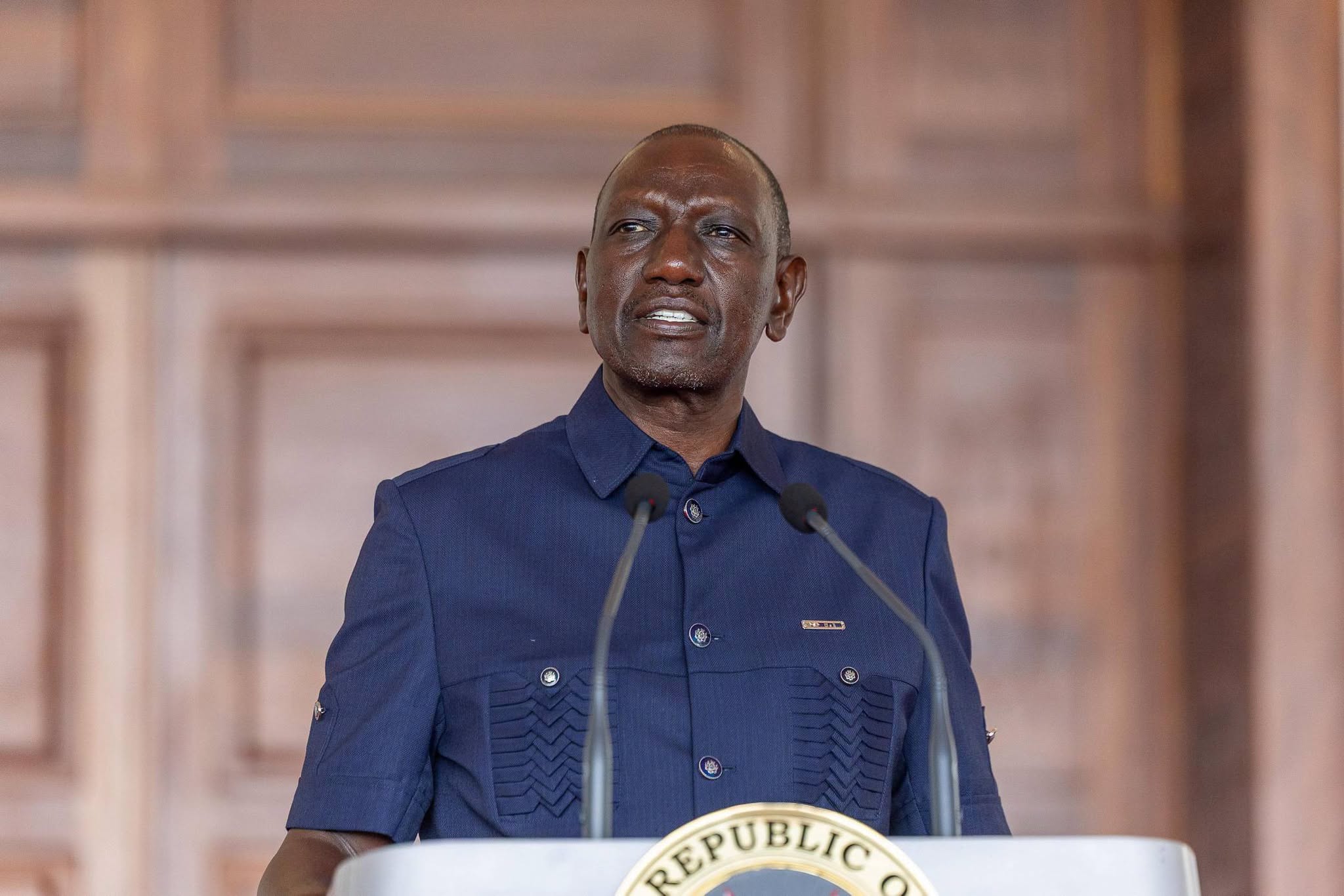
President William Ruto has directed the Ministry of Education to work closely with school head teachers and develop proposals for a further review of capitation funding to address the impact of inflation on school operations. The directive comes amid concerns over the rising cost of running learning institutions, with administrators facing increasing expenses in acquiring teaching materials, maintaining facilities and meeting other essential requirements. By involving head teachers in the review process, the government seeks to obtain practical recommendations that reflect the actual financial challenges experienced by schools. The proposed review is expected to assess whether current allocations are sufficient to support learning institutions amid changing economic conditions. Attention now turns to the Ministry of Education and school administrators as they work towards recommendations that could shape future education funding and improve the management of public schools across the country.
President William Ruto has directed the Ministry of Education to work closely with school head teachers and develop proposals for a further review of capitation funding to address the rising cost of running schools amid inflation.
The directive comes amid growing concerns over the financial challenges facing learning institutions, with school administrators seeking increased government funding to meet operational expenses and maintain quality education. The proposed review is expected to consider the changing economic environment and the impact of rising prices on essential school services, including teaching and learning materials, maintenance, administration and other daily requirements.
The President's instruction signals the government's recognition of the financial pressures affecting schools and the need to ensure that capitation allocations remain relevant to the prevailing economic conditions. By involving head teachers in the review process, the Ministry of Education is expected to obtain practical recommendations from administrators who manage school finances and understand the challenges experienced at the institutional level.
Capitation funding is an important component of Kenya's education financing system. It is designed to support schools by providing resources that contribute to the delivery of education and reduce the financial burden on parents and guardians. Through the funding arrangement, the government supports public learning institutions in meeting various operational expenses and ensuring that learners can access education.
However, the rising cost of goods and services has continued to affect the purchasing power of available resources. Schools, like other institutions, depend on supplies and services whose prices fluctuate depending on economic conditions. When the cost of these items increases without a corresponding adjustment in funding, administrators may find it increasingly difficult to meet their obligations.
Head teachers have a direct understanding of these challenges because they are responsible for managing school operations, planning expenditure and ensuring that available resources are used appropriately. Their involvement in the proposed review is therefore expected to provide the government with information on the actual financial needs of schools.
The consultation process will be important in determining whether the current capitation rates adequately support the needs of different categories of public schools. Institutions operate under varying circumstances depending on their enrolment, location, infrastructure and other operational requirements.
A review that takes inflation into account could help establish funding arrangements that better reflect the actual cost of delivering education. It could also provide an opportunity to identify areas where existing allocations may require adjustment to ensure that schools can continue providing essential services without unnecessary financial strain.
The proposed review is also expected to address the concerns raised by school administrators over the adequacy of government funding in supporting the day-to-day running of learning institutions. As prices of essential commodities continue to change, schools must find ways of balancing their budgets while ensuring that learning activities are not disrupted.
For many public schools, capitation remains a critical source of financial support. The funds help administrators meet institutional requirements and provide an environment in which learners can access education without facing unnecessary interruptions. Any adjustment to the funding structure could therefore have significant implications for the management of schools across the country.
The involvement of head teachers in the review is particularly important because they are directly involved in making financial decisions at the school level. They understand the cost of purchasing learning materials, maintaining facilities, supporting co-curricular activities and meeting other institutional expenses.
Through their engagement, the Ministry of Education will have an opportunity to receive recommendations based on the actual experiences of school administrators. These proposals could help the government establish a more realistic funding framework that responds to the needs of different institutions.
The directive also highlights the importance of continuous engagement between the government and education stakeholders in addressing challenges affecting the sector. Education financing requires regular assessment to ensure that available resources correspond with the changing demands of schools and the wider economy.
Inflation has the potential to reduce the value of allocated funds, meaning that the same amount of money may purchase fewer goods and services than it did previously. For schools operating on fixed budgets, this can create difficulties when planning expenditure and prioritising essential activities.
An adjustment that considers inflation would seek to ensure that government allocations maintain their purchasing power and continue supporting the objectives of public education. However, the extent of any proposed increase will depend on the recommendations submitted by the Ministry and the government's consideration of available financial resources.
The review could also provide an opportunity to examine how capitation funds are distributed and whether the existing arrangements adequately address differences in the needs of schools. Institutions with large enrolments, for example, may face different operational demands from those with relatively small populations of learners.
Similarly, schools in different geographical locations may experience varying costs when acquiring supplies and accessing essential services. These differences make it important for education financing policies to consider the circumstances under which individual institutions operate.
The government has in recent years continued to emphasise the importance of strengthening the education sector through improved infrastructure, increased access to learning opportunities and support for teachers and learners. Adequate financing remains an essential part of achieving these objectives.
Schools require sufficient resources to maintain their facilities, provide teaching materials and create an environment that supports effective learning. Without reliable funding, administrators may face difficult decisions when allocating limited resources among competing institutional needs.
The proposed capitation review is therefore expected to attract attention from education stakeholders, particularly head teachers, teachers, parents and organisations representing school administrators. These groups have a direct interest in how government funding is structured and how resources are made available to learning institutions.
Parents are also likely to follow developments surrounding the proposed review because school financing has a direct connection to the overall cost of education. Adequate government support can help schools meet essential requirements and reduce pressure on families to contribute additional money towards basic institutional operations.
For teachers, the availability of sufficient resources is important in supporting effective classroom instruction. Learning materials, functional facilities and a well-supported school environment contribute to the delivery of the curriculum and the achievement of educational objectives.
The Ministry of Education will therefore have an important responsibility in coordinating consultations and assessing the recommendations that emerge from discussions with school administrators. The process will need to establish the financial requirements of schools while considering the broader economic circumstances facing the country.
A comprehensive assessment could also help identify the areas where schools experience the greatest financial pressure. This would allow the government to understand the relationship between current allocations and the actual costs associated with managing public learning institutions.
Beyond the immediate question of increasing capitation, the discussion also raises broader issues concerning the sustainability of education financing in Kenya. As enrolment patterns change and schools continue to expand their facilities and services, funding arrangements must remain responsive to emerging needs.
The government will also need to consider how any proposed adjustments can be implemented within the national budget. Education financing competes with other public expenditure priorities, making proper planning and resource allocation necessary to ensure that commitments can be sustained.
The consultation with head teachers could provide a foundation for informed discussions on these issues, particularly by bringing together government officials and school administrators who understand the practical demands of education management.
School leaders are expected to play an important role in identifying the challenges affecting their institutions and presenting proposals that could improve the existing funding system. Their recommendations may help establish priorities for the Ministry as it considers possible adjustments to capitation.
The review is also an opportunity to strengthen accountability in the management of public education funds. Ensuring that resources are allocated according to institutional needs and properly utilised remains important in achieving better outcomes for learners.
Effective financial management at the school level can help ensure that additional resources, if approved, translate into improved learning conditions and better support for educational activities.
The President's directive comes as education remains a major national priority, with continued discussions around school infrastructure, teacher recruitment, promotions, learning resources and the implementation of education reforms.
The government has maintained that improving the quality of education requires coordinated efforts involving national institutions, teachers, school administrators, parents and other stakeholders. The proposed engagement with head teachers reflects the importance of incorporating views from those directly responsible for managing schools.
As the Ministry of Education begins working on the proposed review, attention will focus on the recommendations that will be presented and whether they will result in an adjustment of the current capitation rates.
For now, the directive sets in motion a consultation process aimed at ensuring that school funding takes account of inflation and the changing cost of providing education.
The outcome of the exercise could influence how public schools plan their budgets, manage resources and meet their operational responsibilities in the coming financial periods. It will also be closely watched by education stakeholders seeking a sustainable funding arrangement that supports both learners and institutions.

You Might Also Like
-
Homa Bay Governor Gladys Wanga has emphasised the importance of investing in quality education to prepare learners for future opportunities and challenges. She has called for a holistic approach to learning that goes beyond academic performance and focuses on nurturing talents, creativity, critical
-
Medical Services Principal Secretary Ouma Oluga has raised concerns over the rising cost of healthcare, warning that poor-quality medical services expose patients to preventable complications, prolonged hospital stays, repeated treatments and avoidable deaths. He has emphasised the importance of str
-
A Nyeri court has sentenced a 26-year-old man to 20 years in prison after finding him guilty of defiling a 13-year-old girl in Mukurwe-ini, Nyeri County. The sentence highlights the legal consequences of sexual offences committed against minors and reinforces the importance of protecting children fr
-
Linda Mwananchi's National Delegates Convention (NDC) is set to proceed as scheduled tomorrow after the Political Parties Disputes Tribunal (PPDT) dismissed a petition seeking to block the event over alleged irregularities in the appointment of party officials. The ruling has cleared the way for the
-
Kenya is stepping up efforts to expand bilateral trade with the European Union, targeting key economic sectors with the potential to attract more foreign investment, increase exports and create sustainable employment opportunities. President William Ruto has called for the removal of trade barriers
-
President William Ruto has defended the Affordable Housing Levy while outlining how proposed changes to the Pay As You Earn (PAYE) tax system could improve the monthly take-home salaries of teachers and other Kenyan workers. The President explained that teachers earning approximately KSh50,000 could