26-Year-Old Man Sentenced to 20 Years in Prison for Defiling 13-Year-Old Girl in Nyeri
A Nyeri court has sentenced a 26-year-old man to 20 years in prison after finding him guilty of defiling a 13-year-old girl in Mukurwe-ini, Nyeri County. The sentence highlights the legal consequences of sexual offences committed against minors and reinforces the importance of protecting children from abuse and exploitation. The case has renewed attention on child safety, with calls for parents, guardians, schools and communities to remain vigilant and ensure that children are protected from all forms of sexual violence. It also underscores the role of the justice system in holding offenders accountable while safeguarding the rights and dignity of victims.
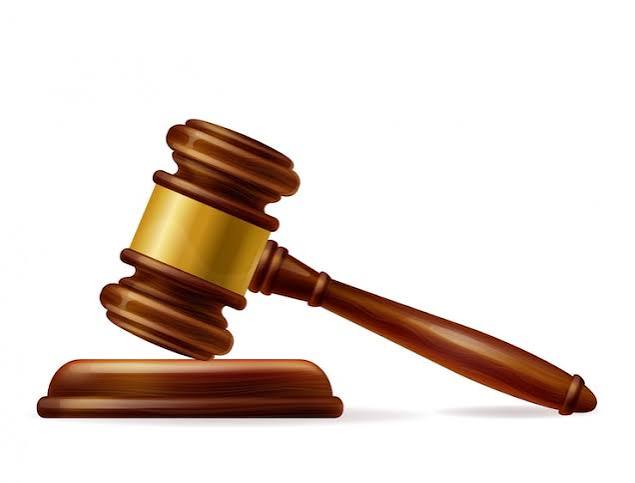
A Nyeri court has sentenced a 26-year-old man to 20 years in prison after finding him guilty of defiling a 13-year-old girl in Mukurwe-ini, Nyeri County, in a case that has once again drawn attention to the protection of children against sexual abuse and exploitation.
The sentence marks the conclusion of the court proceedings against the accused, who was convicted following the presentation of evidence linking him to the offence. The court handed down the 20-year prison term after considering the case and determining that the accused was criminally responsible for the offence committed against the minor.
The incident occurred in Mukurwe-ini, an area within Nyeri County, where the victim was only 13 years old at the time of the offence. The victim's age makes the case particularly serious under Kenyan law, which provides strict legal protection for children against sexual exploitation and abuse.
The court's decision reinforces the legal consequences faced by individuals convicted of sexual offences against minors. Such offences are treated seriously within Kenya's justice system because of the vulnerability of children and the responsibility of society to protect them from exploitation.
The 20-year sentence also highlights the importance of ensuring that cases involving sexual violence against children are investigated thoroughly and prosecuted through the appropriate legal channels. Law enforcement agencies, prosecutors, child protection officers and judicial institutions all play important roles in ensuring that victims receive justice.
Sexual offences involving children remain a major concern in Kenya, with cases reported in different parts of the country. The incidents affect children from various social and economic backgrounds, highlighting the need for stronger prevention measures and greater awareness within communities.
Children are entitled to protection from all forms of abuse, including sexual exploitation, physical violence, neglect and other forms of mistreatment. Kenyan laws provide mechanisms for prosecuting individuals who violate these rights and establish penalties intended to protect minors and discourage offending.
Under the Sexual Offences Act, sexual acts involving children are criminalised, with the law recognising that minors cannot legally consent to sexual activity. The legislation provides different penalties depending on the circumstances and the age of the victim.
The conviction in the Nyeri case therefore serves as a reminder that sexual abuse involving minors carries serious legal consequences. Individuals found guilty of such offences can face lengthy prison sentences depending on the evidence presented and the applicable provisions of the law.
For families and communities, cases of this nature also underline the importance of creating safe environments where children can grow, learn and develop without fear of exploitation. Parents, guardians, teachers and community leaders have a shared responsibility to identify potential risks and ensure that children receive appropriate protection.
Schools are also important in efforts to prevent sexual abuse. Teachers and school administrators interact with children regularly and can help identify signs of abuse, exploitation or other forms of vulnerability. Creating safe reporting channels can encourage children to seek assistance when they experience inappropriate behaviour or threats.
Children who experience sexual abuse may face physical, emotional and psychological consequences that can affect their education, relationships and general development. The effects can extend beyond the immediate incident, making access to appropriate support and protection essential.
Child protection services and relevant institutions are therefore expected to work together to ensure that victims receive the assistance they need. Such support may include medical attention, counselling, psychosocial care and assistance throughout the justice process.
The handling of sexual offences involving minors also requires sensitivity because victims may experience fear, embarrassment or intimidation when reporting abuse. Protecting their identities and ensuring that they are treated with dignity during investigations and court proceedings are important considerations.
In Kenya, the law provides for the protection of children and establishes responsibilities for individuals and institutions involved in their care. The Children's Act outlines the rights of minors and places emphasis on safeguarding their welfare, dignity and development.
The justice system also provides avenues through which suspected offences can be reported, investigated and presented before courts. Police officers are responsible for receiving complaints and conducting investigations, while prosecutors assess evidence and present cases in court.
The Nyeri ruling comes amid continued calls for communities to strengthen efforts aimed at preventing violence against children. Child protection organisations have consistently emphasised the importance of educating parents, guardians and children about personal safety, reporting mechanisms and the consequences of sexual exploitation.
Community awareness is particularly important because some cases of child abuse may go unreported. Fear of stigma, threats, family pressure and concerns about the consequences of reporting can discourage victims and their families from seeking help.
Addressing these challenges requires cooperation between families, schools, religious institutions, local administration and government agencies. Communities must create an environment where children can speak openly about abuse and receive assistance without being blamed or intimidated.
Parents and guardians are encouraged to maintain open communication with children and educate them about appropriate boundaries and personal safety. Children should also be made aware that they have the right to report uncomfortable or inappropriate behaviour to trusted adults.
Schools can strengthen their child protection programmes by ensuring that learners know where and how to report abuse. Teachers and other school personnel should also be equipped with the knowledge required to identify warning signs and respond appropriately when concerns arise.
Beyond prevention, timely reporting is essential in ensuring that suspected offences are investigated and evidence is preserved. Delays in reporting may create challenges during investigations and court proceedings, although every case must be assessed based on the available evidence.
The authorities also have a responsibility to ensure that individuals suspected of committing offences against children are subjected to proper investigations and fair judicial processes. Convictions must be based on evidence presented before courts, while victims must receive the protection and support required throughout the proceedings.
The 20-year sentence imposed in the Mukurwe-ini case is expected to renew discussions about the need to protect children from sexual abuse and strengthen the response to offences committed against minors.
It also highlights the role of the judiciary in determining cases involving violations of children's rights and imposing appropriate sentences where accused persons are found guilty.
For residents of Nyeri County and other parts of the country, the case serves as a reminder that protecting children requires more than legal provisions. It demands continued vigilance, responsible parenting, community involvement and effective cooperation among institutions mandated to safeguard minors.
As Kenya continues to address cases of sexual violence against children, strengthening reporting systems, improving access to justice and supporting survivors remain important priorities.
The conviction and sentencing of the 26-year-old man bring the court proceedings in this particular case to a significant point. However, the broader responsibility of protecting children remains with families, communities and institutions across the country.

You Might Also Like
-
Homa Bay Governor Gladys Wanga has emphasised the importance of investing in quality education to prepare learners for future opportunities and challenges. She has called for a holistic approach to learning that goes beyond academic performance and focuses on nurturing talents, creativity, critical
-
Medical Services Principal Secretary Ouma Oluga has raised concerns over the rising cost of healthcare, warning that poor-quality medical services expose patients to preventable complications, prolonged hospital stays, repeated treatments and avoidable deaths. He has emphasised the importance of str
-
President William Ruto has directed the Ministry of Education to work closely with school head teachers and develop proposals for a further review of capitation funding to address the impact of inflation on school operations. The directive comes amid concerns over the rising cost of running learning
-
Linda Mwananchi's National Delegates Convention (NDC) is set to proceed as scheduled tomorrow after the Political Parties Disputes Tribunal (PPDT) dismissed a petition seeking to block the event over alleged irregularities in the appointment of party officials. The ruling has cleared the way for the
-
Kenya is stepping up efforts to expand bilateral trade with the European Union, targeting key economic sectors with the potential to attract more foreign investment, increase exports and create sustainable employment opportunities. President William Ruto has called for the removal of trade barriers
-
President William Ruto has defended the Affordable Housing Levy while outlining how proposed changes to the Pay As You Earn (PAYE) tax system could improve the monthly take-home salaries of teachers and other Kenyan workers. The President explained that teachers earning approximately KSh50,000 could