Kenya Seeks to Expand Trade and Investment Ties with European Union
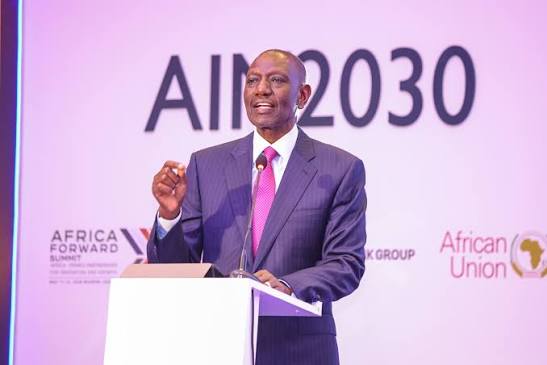
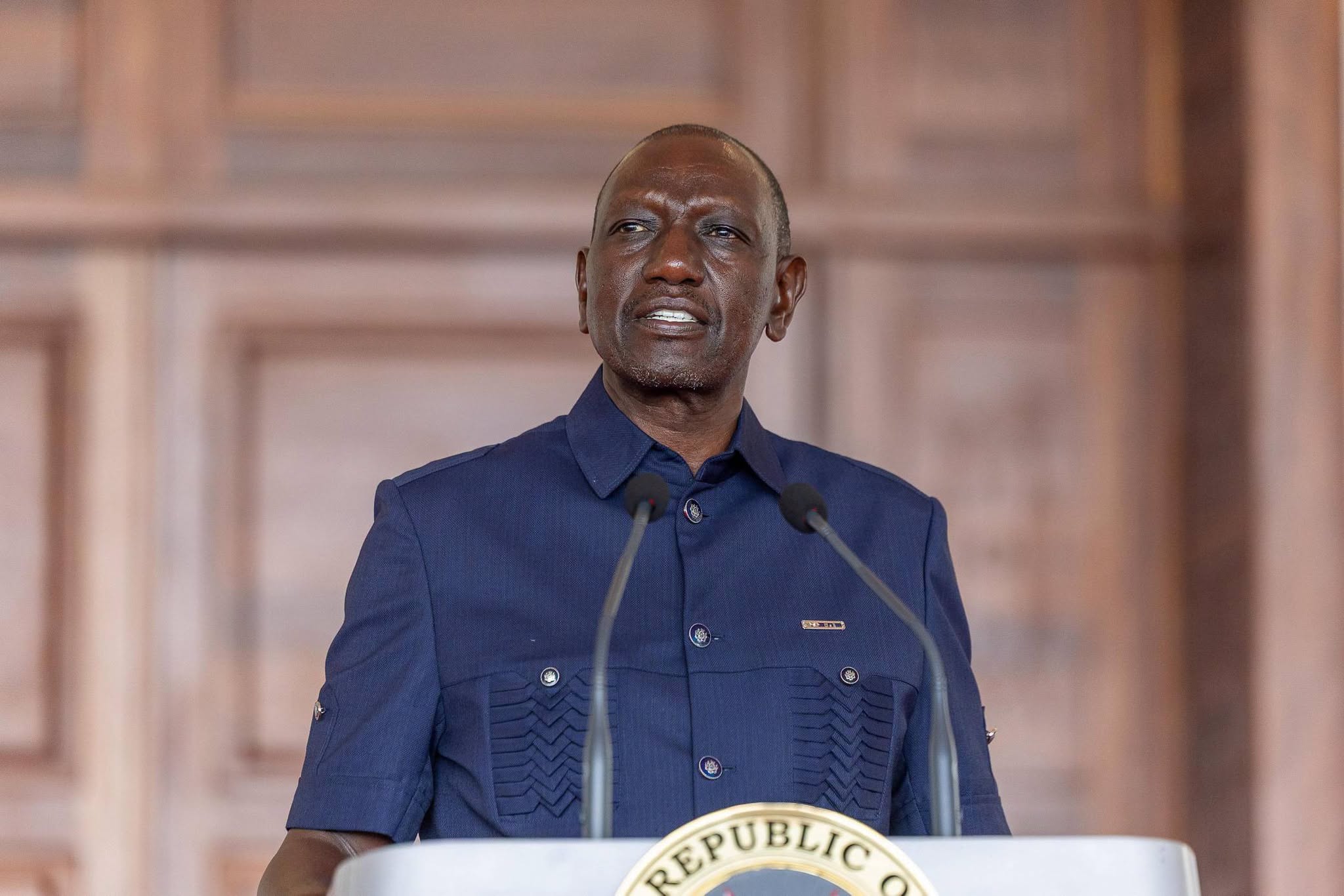
Kenya is stepping up efforts to expand bilateral trade with the European Union, targeting key economic sectors with the potential to attract more foreign investment, increase exports and create sustainable employment opportunities. President William Ruto has called for the removal of trade barriers between Kenya and the EU, arguing that improved market access would enable both sides to maximise their economic potential. Speaking during a meeting with heads of European Union delegations serving across Africa in Nairobi, Ruto emphasised the importance of strengthening economic cooperation and building mutually beneficial partnerships. The discussions focused on opportunities in agriculture, manufacturing, renewable energy, infrastructure and technology, with Kenya seeking to attract European investors while giving local businesses greater access to international markets. The renewed engagement comes as the country pursues its ambition of becoming a regional economic hub and expanding opportunities for farmers, manufacturers, exporters and young people.
Kenya is seeking to increase its bilateral trade with the European Union by strengthening economic cooperation and focusing on key sectors with the potential to attract more investment, expand business opportunities and create sustainable employment.
President William Ruto has called for the removal of trade barriers between Kenya and the European Union, saying improved access to markets would enable both sides to maximise their economic potential and strengthen their long-standing partnership.
Speaking during a meeting with heads of European Union delegations serving across Africa in Nairobi, Ruto emphasised the importance of deepening trade relations between Kenya and European countries. He noted that closer economic cooperation would provide opportunities for businesses, investors and entrepreneurs while supporting Kenya's broader development ambitions.
The President said Kenya was keen to build on its existing relationship with the European Union by identifying areas where both sides could increase commercial activities, attract investments and develop partnerships that benefit their respective economies.
The meeting brought together representatives of European countries serving across the African continent, providing an opportunity to discuss economic relations, investment opportunities and areas of shared interest between Kenya, the European Union and Africa.
Kenya has maintained diplomatic and economic relations with the European Union for several decades, with the partnership covering trade, development cooperation, infrastructure, agriculture, education, security and governance.
The European Union remains one of Kenya's important trading partners, providing a major destination for locally produced goods while also supplying the country with machinery, industrial products, technology and other essential imports.
Through stronger trade relations, Kenya hopes to increase exports to European markets and improve opportunities for local producers to access international customers.
Agriculture is among the sectors expected to play a central role in expanding trade between Kenya and the European Union. The country exports several agricultural products to European markets, including tea, coffee, flowers, vegetables, fruits and other horticultural products.
The agricultural sector supports millions of Kenyans through farming, processing, transportation, packaging and export-related activities. Increasing access to international markets could therefore provide additional opportunities for farmers and businesses involved in the agricultural value chain.
Kenyan horticultural products, particularly flowers and fresh produce, have established a presence in European markets. However, producers continue to face challenges related to market requirements, production costs, logistics and international competition.
The government is seeking to strengthen the competitiveness of Kenyan products by improving production standards, supporting value addition and addressing barriers that prevent local businesses from fully benefiting from international trade agreements.
Ruto's call for the removal of trade barriers reflects the government's interest in ensuring that Kenyan businesses can compete effectively in European markets.
Trade barriers can include tariffs, complicated customs procedures, regulatory requirements and restrictions that increase the cost of exporting goods. Addressing such challenges could make it easier for Kenyan businesses to access European markets and expand their operations.
The government also hopes to attract more European investments into manufacturing, agro-processing, renewable energy, infrastructure and technology.
Manufacturing remains an important part of Kenya's economic transformation agenda, with the government seeking to increase the contribution of industrial activities to the national economy.
By attracting European investors, Kenya hopes to strengthen local industries, improve production capacity and create employment opportunities for young people.
European companies have expertise in several industrial sectors, including machinery, pharmaceuticals, renewable energy, food processing and advanced technology. Increased cooperation could provide opportunities for knowledge transfer, skills development and the establishment of new production facilities in Kenya.
The expansion of manufacturing activities could also reduce the country's dependence on imported finished products while increasing the availability of locally produced goods.
The government has repeatedly emphasised the importance of value addition as a way of increasing the earnings generated from locally available resources. Instead of exporting raw agricultural products, Kenya wants to encourage more processing before goods reach international markets.
Such an approach could increase the value of exports, support local businesses and create additional jobs across different stages of production.
The European Union is also an important partner in Kenya's efforts to strengthen renewable energy development. Kenya has made progress in geothermal, wind, solar and hydroelectric power generation, creating opportunities for further investment in clean energy technologies.
The government is interested in attracting investors who can support the development of renewable energy infrastructure, improve electricity access and strengthen the country's energy security.
Increased investment in the sector could also support businesses that require reliable and affordable electricity to operate efficiently.
The President's engagement with European representatives also comes at a time when Kenya is seeking to position itself as a regional economic hub and an attractive destination for international investors.
With its strategic location in East Africa, Kenya serves as an important gateway to neighbouring countries through its transport, logistics and financial networks.
The Port of Mombasa, the Standard Gauge Railway, major highways and international airport facilities provide connections that support regional trade and investment.
Strengthening relations with the European Union could help Kenya attract additional financing and technical partnerships for infrastructure development, particularly in transport, energy and logistics.
Improved infrastructure would make it easier for businesses to move goods within the country and across borders, reducing transportation costs and improving the competitiveness of Kenyan exports.
The government has also identified the digital economy as another area with significant potential for cooperation with European partners.
Kenya's technology sector has expanded over the years, particularly in mobile financial services, digital payments, innovation and online business solutions.
European investment and partnerships could support the development of digital infrastructure, technology enterprises and skills training programmes aimed at preparing young Kenyans for emerging opportunities in the global economy.
The digital sector is increasingly important in international trade because businesses can use technology to access customers, improve operations and deliver services across geographical boundaries.
Kenya hopes to benefit from European expertise in research, innovation and technology development while creating an environment that supports local entrepreneurs and start-ups.
Beyond trade and investment, Kenya and the European Union continue to cooperate in areas such as peace, security and regional stability.
Kenya plays an important role in regional diplomatic and security initiatives, particularly in efforts to promote peace in the Horn of Africa and the wider East African region.
The country has participated in regional peace efforts and security operations while working with international partners to address challenges such as terrorism, organised crime and instability.
The European Union has supported various initiatives aimed at strengthening security institutions, promoting peace and improving regional cooperation.
Such partnerships are considered important in creating a stable environment for economic activities and attracting long-term investments.
Investors often consider security, political stability, infrastructure and regulatory predictability when deciding where to establish businesses or expand their operations.
Strengthening cooperation in these areas could therefore complement Kenya's efforts to attract more European investors.
The meeting also provided an opportunity to reflect on the broader relationship between Africa and Europe, particularly the need for partnerships that promote mutual economic benefits.
African countries are increasingly seeking stronger access to international markets, investment opportunities and technologies that can support industrialisation and economic transformation.
Kenya's approach is to strengthen its existing partnerships while ensuring that international cooperation contributes to local development priorities.
For the European Union, Africa remains an important partner in trade, investment, energy, security and development cooperation.
The continent's growing population, expanding consumer markets and natural resources provide opportunities for businesses seeking new markets and investment destinations.
Kenya hopes to benefit from these opportunities by positioning itself as a competitive destination for European companies interested in expanding their operations in Africa.
However, achieving the targeted increase in bilateral trade will require more than diplomatic engagements. Both sides will need to address practical challenges affecting businesses, including market access, export standards, logistics costs and regulatory procedures.
Local producers will also need support to improve the quality and consistency of their products to meet international market requirements.
Small and medium-sized enterprises are particularly important in this process because they form a significant part of Kenya's business environment and provide employment to many people.
Improving their access to finance, technology and export information could help more Kenyan businesses participate in international trade.
The government is also expected to continue engaging European partners on policies that encourage investment and create a favourable environment for businesses.
For Kenyan farmers, manufacturers, exporters and entrepreneurs, stronger trade relations could open new opportunities to reach international customers and expand their operations.
Ultimately, Kenya's push to increase bilateral trade with the European Union reflects its broader ambition to strengthen the economy through international partnerships, industrial development and increased investment.
President Ruto's call for the removal of trade barriers highlights the importance of creating a more accessible and competitive trading environment for businesses on both sides.

You Might Also Like
-
Homa Bay Governor Gladys Wanga has emphasised the importance of investing in quality education to prepare learners for future opportunities and challenges. She has called for a holistic approach to learning that goes beyond academic performance and focuses on nurturing talents, creativity, critical
-
Medical Services Principal Secretary Ouma Oluga has raised concerns over the rising cost of healthcare, warning that poor-quality medical services expose patients to preventable complications, prolonged hospital stays, repeated treatments and avoidable deaths. He has emphasised the importance of str
-
A Nyeri court has sentenced a 26-year-old man to 20 years in prison after finding him guilty of defiling a 13-year-old girl in Mukurwe-ini, Nyeri County. The sentence highlights the legal consequences of sexual offences committed against minors and reinforces the importance of protecting children fr
-
President William Ruto has directed the Ministry of Education to work closely with school head teachers and develop proposals for a further review of capitation funding to address the impact of inflation on school operations. The directive comes amid concerns over the rising cost of running learning
-
Linda Mwananchi's National Delegates Convention (NDC) is set to proceed as scheduled tomorrow after the Political Parties Disputes Tribunal (PPDT) dismissed a petition seeking to block the event over alleged irregularities in the appointment of party officials. The ruling has cleared the way for the
-
President William Ruto has defended the Affordable Housing Levy while outlining how proposed changes to the Pay As You Earn (PAYE) tax system could improve the monthly take-home salaries of teachers and other Kenyan workers. The President explained that teachers earning approximately KSh50,000 could