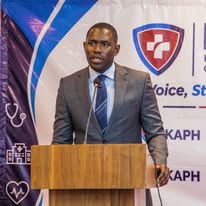
Ouma Oluga Warns Poor-Quality Healthcare Increases Medical Costs and Leads to Preventable Deaths
Medical Services Principal Secretary Ouma Oluga has raised concerns over the rising cost of healthcare, warning that poor-quality medical services expose patients to preventable complications, prolonged hospital stays, repeated treatments and avoidable deaths. He has emphasised the importance of strengthening healthcare standards, improving patient safety and ensuring that medical facilities provide timely and effective treatment. The concerns highlight the need for better diagnosis, adequate medical equipment, sufficient healthcare personnel and proper management of health institutions. Improving the quality of healthcare, he notes, is essential not only for protecting lives but also for reducing unnecessary medical expenses and easing the financial burden on patients, families and the healthcare system.
Medical Services Principal Secretary Ouma Oluga has warned that poor-quality healthcare is contributing to increased medical costs by exposing patients to preventable complications, prolonged hospital admissions, repeated treatments and avoidable deaths. He has emphasised the need to strengthen the quality of healthcare services, noting that improving patient care is not only important for saving lives but also for reducing the financial burden on individuals, families and the healthcare system.
The warning highlights the growing importance of quality healthcare delivery as Kenya continues to pursue reforms aimed at improving access to medical services and ensuring that patients receive appropriate treatment. Healthcare institutions are expected to provide services that meet established medical standards while prioritising patient safety, timely diagnosis and effective treatment.
According to the concerns raised by the Principal Secretary, poor-quality medical services can create additional complications that would otherwise have been prevented through proper diagnosis, appropriate treatment and effective patient management. When healthcare providers fail to identify illnesses early or administer the correct treatment, patients may experience worsening conditions that require more expensive medical interventions.
One of the major consequences of inadequate healthcare is the increased likelihood of preventable complications. Patients who do not receive appropriate treatment at the right time may develop additional medical problems, making their conditions more difficult and costly to manage. In some cases, illnesses that could have been treated through relatively simple interventions may progress into serious conditions requiring specialised care.
This situation places additional pressure on hospitals and other healthcare facilities, which must allocate more resources to manage complications that could have been avoided. It also increases the financial burden on patients, particularly those who require extended treatment or specialised medical attention.
Prolonged hospital stays are another concern associated with poor-quality healthcare. When patients experience complications or fail to respond to treatment because of inadequate medical management, they may be forced to remain in hospital longer than necessary.
Extended admissions increase the cost of care through additional medication, laboratory tests, medical procedures, meals and other hospital services. For families, this can translate into higher bills, lost income and additional expenses associated with caring for sick relatives.
Hospitals also face increased operational pressure when patients occupy beds for longer periods than medically necessary. This can limit the availability of beds for other patients who require admission and contribute to congestion in health facilities.
The issue of repeated treatments further illustrates how poor-quality healthcare can increase medical expenditure. When an initial diagnosis is inaccurate or treatment is ineffective, patients may be required to return to healthcare facilities for additional consultations, investigations and procedures.
Repeated medical interventions can become expensive, especially for patients managing chronic illnesses or conditions requiring specialised attention. In some circumstances, patients may be forced to seek treatment from several facilities in search of appropriate care, increasing transport costs and other related expenses.
The financial consequences are not limited to patients alone. Healthcare facilities and government institutions also bear the cost of managing complications, repeated admissions and unnecessary medical procedures. This creates additional pressure on already limited resources that could otherwise be directed towards improving healthcare infrastructure, purchasing essential medical equipment and expanding services.
Preventable deaths remain the most serious consequence of inadequate healthcare delivery. When patients fail to receive timely and appropriate medical attention, their conditions may deteriorate to a point where treatment becomes difficult or impossible.
Such outcomes highlight why quality and patient safety must remain central priorities in the provision of healthcare services. Medical facilities need effective systems for identifying illnesses, monitoring patients, administering treatment and responding to emergencies.
The warning also draws attention to the importance of early diagnosis in preventing unnecessary medical expenses. Identifying diseases and health complications at an early stage allows healthcare providers to begin treatment before conditions become more severe. Early intervention can reduce the need for expensive procedures, prolonged hospitalisation and specialised care.
Healthcare professionals play a critical role in ensuring that patients receive accurate diagnoses and appropriate treatment. Doctors, nurses, clinical officers, laboratory personnel and other medical workers must work together to provide services that meet professional standards.
Proper communication between healthcare providers and patients is equally important. Patients need clear information about their conditions, available treatment options, prescribed medication and the steps they should take to support their recovery. When communication is inadequate, patients may misunderstand medical instructions, fail to follow treatment plans or delay seeking further assistance when their conditions worsen.
The quality of healthcare is also influenced by the availability of essential medicines, medical equipment and qualified personnel. Facilities that lack sufficient resources may experience difficulties in providing timely and effective services. Shortages of medicines, inadequate diagnostic equipment and understaffing can affect the ability of healthcare workers to deliver appropriate treatment.
Improving these areas requires sustained investment in the healthcare sector and effective management of available resources. Hospitals and other medical facilities need adequate equipment, reliable supplies and sufficient numbers of trained personnel to meet the needs of patients.
Another important consideration is the need for continuous professional development among healthcare workers. Medical knowledge and treatment approaches continue to evolve, making regular training necessary to ensure that professionals remain familiar with current standards and best practices.
Training can help healthcare workers improve their diagnostic skills, adopt safer treatment procedures and respond more effectively to emergencies. It can also strengthen their ability to identify potential complications before they develop into serious medical conditions.
Patient safety should also remain a priority in healthcare institutions. Preventing medical errors, maintaining hygiene standards, ensuring proper handling of medicines and following established treatment procedures can reduce the risks associated with medical care.
Hospitals must also establish effective systems for monitoring the quality of services offered to patients. Regular assessments can help identify weaknesses in service delivery and provide opportunities for corrective action. Such measures are important in ensuring that healthcare institutions remain accountable for the services they provide.
The issue of healthcare quality is particularly important for vulnerable groups, including children, pregnant women, elderly people and individuals living with chronic illnesses. These groups may require specialised attention and consistent medical monitoring to prevent complications.
For pregnant women, for instance, access to quality antenatal services, skilled delivery care and appropriate postnatal follow-up can help identify risks early and reduce preventable complications. Similarly, children require timely immunisation, proper diagnosis and treatment of illnesses to support healthy development.
Patients living with chronic conditions also depend on consistent medical attention, regular monitoring and access to appropriate medication. Poor management of these conditions can lead to complications that require expensive treatment and repeated hospital admissions.
The cost of healthcare remains a major concern for many Kenyan households. Medical expenses can place considerable pressure on families, particularly when treatment requires repeated consultations, specialised procedures or extended hospital stays.
For households with limited financial resources, unexpected medical expenses may affect their ability to meet other essential needs, including food, education and housing. Improving healthcare quality could therefore help reduce some of the financial pressures associated with preventable medical complications.
The warning by the Medical Services Principal Secretary also highlights the importance of ensuring that healthcare financing is supported by effective service delivery. While expanding access to medical services remains important, patients must also receive care that addresses their health needs appropriately.
Access to healthcare without adequate quality may leave patients exposed to additional expenses and poor treatment outcomes. The focus should therefore extend beyond the number of people accessing medical facilities to include the effectiveness, safety and reliability of the services provided.
Kenya's healthcare system requires cooperation between national and county governments, healthcare professionals, medical institutions and other stakeholders to address these challenges. County governments play an important role in managing many public health facilities, while the national government provides policy direction and coordinates broader health sector priorities.
Effective collaboration between the two levels of government can support the improvement of medical infrastructure, availability of essential supplies and deployment of qualified healthcare personnel.
There is also a need to strengthen accountability within healthcare institutions to ensure that resources allocated to the sector translate into better patient outcomes. Proper financial management, supervision and monitoring can help reduce wastage and ensure that facilities receive the support required to provide quality services.
The public also has a role to play in improving healthcare outcomes by seeking medical attention when necessary, following prescribed treatment and attending scheduled medical appointments. Patients should be encouraged to ask questions about their conditions and seek clarification whenever they do not understand medical instructions.
However, responsibility for quality healthcare must remain firmly supported by properly equipped facilities, trained professionals and effective health sector policies. Patients should not bear the consequences of failures that could have been prevented through appropriate institutional standards and medical procedures.
The government and healthcare stakeholders are therefore expected to continue prioritising measures that improve the standards of medical services across the country. Strengthening supervision, improving working conditions for healthcare professionals and ensuring consistent availability of essential medical supplies could contribute to better treatment outcomes.
The emphasis on quality healthcare also raises questions about how hospitals measure performance and address complaints from patients. Establishing effective feedback mechanisms can help healthcare institutions understand patients' experiences, identify gaps in service delivery and take appropriate corrective measures.
For patients and their families, quality healthcare means receiving the right treatment at the right time, being handled with dignity and having confidence in the medical services provided. It also means reducing unnecessary procedures, avoiding preventable complications and ensuring that recovery is supported through appropriate medical care.
As Kenya continues to strengthen its healthcare system, the warning by Ouma Oluga reinforces the need to make patient safety and quality service delivery central to healthcare reforms.

You Might Also Like
-
Homa Bay Governor Gladys Wanga has emphasised the importance of investing in quality education to prepare learners for future opportunities and challenges. She has called for a holistic approach to learning that goes beyond academic performance and focuses on nurturing talents, creativity, critical
-
A Nyeri court has sentenced a 26-year-old man to 20 years in prison after finding him guilty of defiling a 13-year-old girl in Mukurwe-ini, Nyeri County. The sentence highlights the legal consequences of sexual offences committed against minors and reinforces the importance of protecting children fr
-
President William Ruto has directed the Ministry of Education to work closely with school head teachers and develop proposals for a further review of capitation funding to address the impact of inflation on school operations. The directive comes amid concerns over the rising cost of running learning
-
Linda Mwananchi's National Delegates Convention (NDC) is set to proceed as scheduled tomorrow after the Political Parties Disputes Tribunal (PPDT) dismissed a petition seeking to block the event over alleged irregularities in the appointment of party officials. The ruling has cleared the way for the
-
Kenya is stepping up efforts to expand bilateral trade with the European Union, targeting key economic sectors with the potential to attract more foreign investment, increase exports and create sustainable employment opportunities. President William Ruto has called for the removal of trade barriers
-
President William Ruto has defended the Affordable Housing Levy while outlining how proposed changes to the Pay As You Earn (PAYE) tax system could improve the monthly take-home salaries of teachers and other Kenyan workers. The President explained that teachers earning approximately KSh50,000 could