Shakahola Massacre Case: Mombasa High Court Set to Deliver Judgment Against Paul Mackenzie and 35 Co-Accused
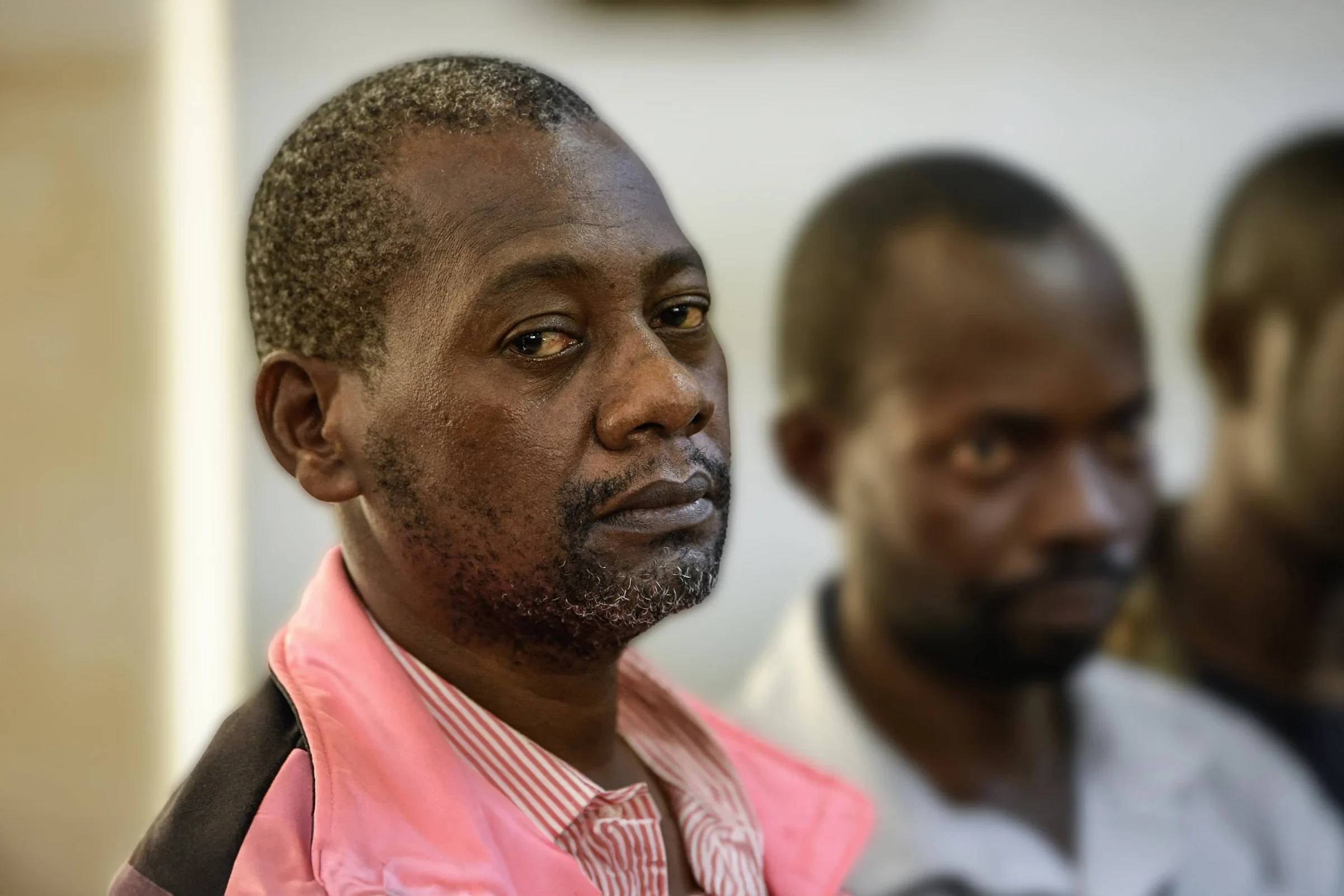
The Mombasa High Court is set to deliver its judgment today in the Shakahola massacre case involving self-proclaimed preacher Paul Nthenge Mackenzie and 35 co-accused. The case has attracted nationwide attention following the discovery of mass graves in Shakahola, Kilifi County, and the investigations into the deaths linked to the religious group. The ruling is expected to mark a significant stage in the legal proceedings as the court determines the case based on the evidence presented and the applicable law.
The Mombasa High Court is expected to deliver its judgment today in the Shakahola massacre case involving self-proclaimed preacher Paul Nthenge Mackenzie and 35 co-accused. The ruling marks a significant stage in a case that has attracted national attention because of the deaths and suffering associated with activities linked to Mackenzie’s religious teachings in the Shakahola area of Kilifi County.
The case has remained a major subject of public discussion, raising questions about religious freedom, criminal responsibility, the protection of vulnerable people, and the role of authorities in preventing dangerous activities carried out under the cover of religious teachings. The court’s decision is expected to address the charges facing the accused and determine their legal responsibility based on the evidence and applicable law.
Mackenzie, who presented himself as a preacher, became a central figure in the Shakahola tragedy, which shocked the country after the discovery of numerous bodies in a forested area in Kilifi County. The case brought renewed attention to reports of followers being encouraged to undertake extreme fasting practices in anticipation of what they believed were religious events.
The proceedings involving Mackenzie and his co-accused have been closely followed as investigators and prosecutors seek to establish the circumstances surrounding the deaths and determine the roles allegedly played by those facing charges.
Court Decision Expected in a Closely Watched Case
The Mombasa High Court is expected to examine the evidence presented during the proceedings before delivering its determination against Mackenzie and the 35 other accused persons. The judgment will be an important step in determining the outcome of the criminal case and establishing the legal consequences, if any, for those found responsible.
As with other criminal proceedings, the court must consider the evidence against each accused person and determine whether the prosecution has proved the relevant charges to the required legal standard. The fact that several individuals are facing proceedings in the same case does not automatically mean that each bears the same level of responsibility.
The judgment will therefore be significant not only because of the number of accused persons involved but also because of the broader questions surrounding the events in Shakahola and the alleged conduct that led to the deaths.
The court's role is to establish the facts through the judicial process, assess the evidence presented by the prosecution and defence, and reach a decision in accordance with the law. The outcome will determine the next legal steps for the individuals involved.
The proceedings also underline the importance of due process in cases that attract widespread public attention. Although the Shakahola tragedy has generated strong emotions across the country, the determination of criminal responsibility remains a matter for the court.
Background to the Shakahola Tragedy
The Shakahola tragedy came to national attention following the discovery of mass graves in a forested area in Kilifi County. Investigations into the deaths revealed disturbing circumstances involving people associated with Mackenzie’s religious movement.
The discoveries prompted a major investigation into the activities taking place in the area and the circumstances that led to the deaths of numerous people. The incident raised serious concerns about the treatment of followers, the influence of religious leaders, and the potential dangers of extreme practices promoted in the name of faith.
The tragedy affected families whose relatives had joined the religious group or travelled to Shakahola. For many families, the unfolding investigations brought painful uncertainty as authorities worked to identify victims and establish what had happened to those who had disappeared.
The discovery of the graves also prompted a wider national conversation about how vulnerable individuals can be protected from exploitation and harmful practices. Questions emerged about the responsibility of religious leaders, the importance of public awareness, and the need for effective action when credible warnings of possible harm arise.
The case subsequently developed into a complex criminal matter involving investigations, evidence collection, and legal proceedings against Mackenzie and other individuals accused in connection with the events.
Paul Mackenzie at the Centre of the Proceedings
Paul Nthenge Mackenzie is the central figure in the Shakahola case because of his association with the religious movement linked to the tragedy. Investigators have examined the teachings and activities connected to the group as part of efforts to establish how the deaths occurred and whether criminal offences were committed.
The proceedings involving Mackenzie and his co-accused seek to determine the allegations through the judicial system. The court must consider the specific evidence and charges applicable to the accused rather than relying solely on public reaction to the tragedy.
The case has also drawn attention to the influence that religious leaders can exercise over their followers, particularly when individuals place considerable trust in the teachings and instructions of those they consider spiritual authorities.
The Shakahola events have prompted debate about the distinction between the exercise of religious freedom and conduct that may expose individuals to serious harm. Religious freedom remains an important principle, but criminal allegations involving deaths, abuse, coercion, or other unlawful acts must be examined under the law.
The court proceedings provide a legal avenue for testing the allegations and determining whether the accused persons bear criminal responsibility for the conduct described by the prosecution.
The Role of the 35 Co-Accused
Alongside Mackenzie, 35 other individuals are involved in the case. Their presence in the proceedings reflects the broader scope of the investigation into the activities and circumstances surrounding the Shakahola tragedy.
The legal process must establish the allegations against each individual and assess the evidence relevant to their respective cases. Being charged alongside Mackenzie does not, by itself, establish guilt, and the court must determine the responsibility of each accused person according to the law.
The proceedings are therefore important in clarifying the alleged roles of those involved and establishing whether the prosecution has met the required standard of proof.
The court’s findings will also help determine the legal consequences that may follow for individuals found guilty of the offences with which they are charged. Any penalties or further proceedings will depend on the charges, the findings of the court, and the applicable legal framework.
For families affected by the tragedy, the proceedings represent part of the continuing search for accountability and an explanation of the circumstances that led to the loss of life.
National Debate on Religious Practices and Public Safety
The Shakahola tragedy has raised serious questions about the relationship between religious beliefs, personal freedom, and public safety. The case has highlighted the risks that can arise when followers are exposed to extreme instructions or practices that may threaten their health and lives.
It has also prompted discussions about the responsibility of religious leaders to avoid harmful conduct and the importance of individuals being able to seek help when they believe they or their relatives are at risk.
At the same time, the case has underlined the need to distinguish between lawful religious activities and conduct that may violate criminal law. The actions of particular individuals should be assessed on the evidence, rather than used as a basis for generalising about all religious groups or their followers.
The broader debate has also focused on the protection of children and other vulnerable people, particularly where their welfare may depend on decisions made by adults or leaders exercising influence over them.
The tragedy has served as a reminder that concerns about possible harm should be addressed through appropriate legal and protective mechanisms. Where criminal conduct is suspected, investigations and court proceedings are necessary to establish the facts and determine responsibility.
Importance of Accountability and Justice
The expected judgment represents a crucial moment in the legal process surrounding the Shakahola tragedy. For affected families, the case has involved the painful loss of loved ones and the search for answers about the circumstances surrounding their deaths.
The court’s decision may provide important findings on the allegations brought against Mackenzie and his co-accused. However, the precise implications will depend on the judgment and the court’s determination of the charges facing each individual.
The proceedings also demonstrate the importance of evidence-based investigations and an independent judicial process when dealing with serious criminal allegations. Public concern can draw attention to a tragedy, but criminal responsibility must ultimately be established through the legal system.
The case has further highlighted the need for vigilance where individuals may be exposed to dangerous practices under the influence of others. Protecting vulnerable people requires awareness, timely intervention, and cooperation among families, communities, and relevant authorities.
The legal process must also uphold the rights of the accused, ensuring that every individual receives a fair hearing and that the court reaches its decision on the evidence presented.
What to Expect From the Judgment
As the Mombasa High Court prepares to deliver its judgment, attention remains focused on the findings the court will make in the case involving Mackenzie and the 35 co-accused.
The decision is expected to clarify the court’s determination of the charges before it and establish the legal position of the individuals involved. Depending on the outcome, further legal steps may follow in accordance with the law.
The ruling will be closely watched because of the seriousness of the Shakahola tragedy and its impact on families and communities across Kenya. It is also likely to renew discussion about the prevention of harmful practices, the protection of vulnerable people, and the responsibilities of individuals who exercise authority over others.
Ultimately, the judgment will form part of the continuing legal response to one of the country’s most disturbing tragedies. Its significance will rest on the court’s findings, the evidence considered, and the legal principles applied in determining the case.
As the proceedings reach this important stage, the focus remains on justice for those affected, accountability where criminal responsibility is established, and the protection of the rights of everyone involved in the judicial process.

You Might Also Like
-
Self-proclaimed preacher Paul Mackenzie and 29 co-accused have been found guilty on all 191 murder counts in the Shakahola case, marking a major development in one of Kenya’s most disturbing criminal investigations. The case is linked to the deaths of followers associated with Mackenzie’s Good N
-
President William Ruto has received the APSCA 2026 Continental Leadership Award for Visionary Governance and Human Capital Transformation, with Deputy Head of Public Service Amos Gathecha accepting the honour on his behalf. The recognition highlights the importance of leadership, effective governanc
-
Kenya is expected to experience varied weather conditions during this week's forecast period, with rainfall anticipated across western Kenya, the Lake Victoria Basin, the Rift Valley, Central Kenya, Nairobi and selected eastern and coastal areas. Thunderstorms are possible in some locations, while o
-
Siaya Governor James Orengo has condemned attacks and alleged propaganda directed at the Odinga family, describing them as a betrayal of the political struggles and sacrifices associated with the late former Prime Minister Raila Odinga. His remarks come amid growing political tensions over Raila’s
-
Over 6,000 widows meet in Kericho.Led by Governor Eric Mutai, Woman Representative Beatrice Kemei and Principal Secretary Ann Wangombe, the initiative brought attention to the need for sustainable programmes that enable widows to support their families and participate meaningfully in community devel
-
The decision by some farmers in Kapkoros, Bomet Central, to begin uprooting tea bushes has brought renewed attention to the challenges facing smallholder tea growers in Kenya. The reported KSh17-per-kilogramme bonus at Kapkoros for the 2025/2026 financial year has added to concerns about rising pro