Nairobi Water Announces Three-Day Supply Disruption in Several Areas of the City
Nairobi Water is set to interrupt water supply for three days in several parts of the capital, including Ngong Road, Lang’ata, Westlands, Gigiri and Karen, to facilitate maintenance on a major pipeline. Residents, businesses and institutions are urged to prepare by storing sufficient water and following official updates.
Several parts of Nairobi are expected to experience a three-day water supply interruption following the planned shutdown of a major pipeline by Nairobi Water for maintenance. The disruption is expected to affect households, businesses, institutions and other water consumers in areas including Ngong Road, Lang’ata, Westlands, Gigiri and Karen, forcing residents to make alternative arrangements to meet their daily water needs.
The planned maintenance is part of efforts to maintain and improve the city's water supply infrastructure. Nairobi Water periodically undertakes maintenance works on major pipelines and other essential facilities to ensure the continued delivery of water to consumers across the capital. However, such operations sometimes require temporary shutdowns, which can affect water availability in several neighbourhoods for a specified period.
The anticipated three-day interruption is likely to create challenges for residents and businesses that depend on a regular supply of piped water for domestic, commercial and institutional activities. Water is essential for cooking, cleaning, bathing, sanitation and other everyday needs, making interruptions particularly difficult for households that do not have adequate storage facilities.
Residents in the affected areas are therefore encouraged to plan ahead by storing sufficient water before the maintenance works begin. Proper preparation can help households reduce the inconvenience associated with the temporary shutdown and ensure that essential activities continue during the interruption.
For many families, access to clean water is a daily necessity that cannot easily be postponed. Households require water for preparing meals, washing clothes, cleaning their homes and maintaining personal hygiene. When the normal supply is interrupted, families may be forced to rely on stored water or seek alternative sources, potentially increasing the time and cost associated with accessing this essential resource.
The impact could be particularly significant for households with young children, elderly family members and people who require additional assistance with daily activities. Such households may need to make more detailed preparations to ensure they have enough water for drinking, cooking, cleaning and other essential purposes throughout the maintenance period.
Businesses operating in the affected neighbourhoods could also experience operational challenges. Hotels, restaurants, salons, laundries, car washes and other establishments rely heavily on water to provide their services. A prolonged interruption may require some businesses to purchase water from alternative suppliers or adjust their operations until normal supply resumes.
Restaurants and food establishments, in particular, need sufficient clean water to prepare meals, wash utensils and maintain hygiene standards. Without adequate reserves, some operators may face difficulties serving customers as usual. Business owners are therefore encouraged to assess their water requirements and make appropriate arrangements before the shutdown takes effect.
Health facilities and other institutions also depend on reliable water supplies to maintain sanitation and provide essential services. Hospitals, clinics, schools and childcare centres require water for cleaning, handwashing, food preparation and maintaining safe environments. Facilities located within the affected areas may need to activate contingency plans to ensure that their operations are not significantly disrupted.
Schools and learning institutions may also need to review their water storage arrangements, particularly if the interruption coincides with normal learning activities. Access to water is necessary for maintaining clean classrooms, toilets and other shared facilities. Adequate preparation can help minimise disruptions and protect the wellbeing of learners, teachers and support staff.
The maintenance exercise highlights the importance of regular investment in Nairobi's water infrastructure as the city continues to experience population growth and increasing demand for essential services. Nairobi is home to a large population of residents, workers and businesses, all of whom depend on reliable water systems to support their daily activities.
As the capital expands, pressure on existing water infrastructure continues to grow. Residential developments, commercial centres and industrial activities increase demand, requiring water service providers to maintain existing facilities while planning for future needs.
Major pipelines play a critical role in transporting water from treatment and distribution facilities to different parts of the city. Maintaining these systems is necessary to address technical issues, support efficient operations and reduce the likelihood of unexpected failures. However, maintenance works can sometimes require temporary service interruptions, particularly where sections of the network must be shut down to allow technicians to carry out the necessary work.
Although the immediate effect of the shutdown may be inconvenient, scheduled maintenance is an important part of managing essential infrastructure. If conducted effectively, such work can help improve the reliability of water distribution and reduce the risk of more serious interruptions in the future.
Nevertheless, the experience of residents during planned shutdowns often depends on how effectively the exercise is communicated and managed. Timely public notices allow consumers to prepare, while clear information about affected locations and expected restoration times helps households and businesses make informed decisions.
Water supply interruptions can be particularly difficult in densely populated urban areas where many households rely entirely on piped water. Some residents may have tanks or other storage facilities, while others depend on direct supply to their homes. The latter group may face greater difficulties when the system is temporarily shut down.
Consumers without storage tanks may need to purchase water from vendors or obtain it from alternative sources. Depending on the distance and availability of supplies, this can create additional expenses and inconvenience. Residents are therefore advised to use their available resources carefully and prioritise essential activities during the interruption.
Proper water storage is also important for protecting public health. Consumers should use clean containers with secure covers to prevent contamination. Drinking water should be stored separately where possible, and containers should be handled carefully to maintain hygiene. Water should also be used responsibly to ensure that available reserves last throughout the shutdown.
Households can reduce consumption by avoiding unnecessary water use, postponing activities that require large quantities of water and ensuring that taps are properly closed. Checking for leaks in household plumbing can also help prevent avoidable wastage.
Residents should remain attentive to official announcements from Nairobi Water regarding the maintenance schedule, affected locations and the expected restoration of normal supply. Such updates are important because the exact timing of service interruptions and restoration can depend on the progress of technical work.
Consumers should also avoid relying on unverified information circulating on social media, particularly when making decisions about alternative water sources. Official communication from the service provider remains an important reference for understanding the scope of the disruption and any changes to the maintenance programme.
The shutdown also draws attention to the broader challenge of ensuring consistent access to safe and affordable water in Nairobi. While maintenance is necessary to keep existing systems functioning, long-term improvements require continued investment in infrastructure, effective distribution networks and adequate water production capacity.
Reliable water services are essential to public health, economic productivity and the overall quality of life in urban communities. When supply is inconsistent, households face additional responsibilities, while businesses may incur extra operating costs. Strengthening water infrastructure can help reduce these challenges and improve service delivery over time.
For Nairobi residents, the three-day interruption serves as a reminder of the importance of water conservation and preparedness. Although temporary shutdowns cannot always be avoided during essential maintenance, consumers can minimise their effects by planning ahead and using available water supplies responsibly.
Residents in Ngong Road, Lang’ata, Westlands, Gigiri, Karen and other affected areas should take the necessary precautions to ensure that they have sufficient water for essential needs during the scheduled works. Businesses and institutions should similarly assess their requirements and establish contingency measures to maintain operations where possible.
The public will be looking to Nairobi Water to complete the maintenance within the planned period and restore normal supply as promptly as possible. Clear communication throughout the exercise will be important in helping consumers understand the progress of the work and prepare for the return of regular services.
As the city continues to grow, maintaining a dependable water supply remains a major priority for households, businesses and public institutions. The planned pipeline shutdown is intended to facilitate essential maintenance, but its impact will be felt by consumers who rely on the affected network.
Residents are encouraged to store enough water, avoid wastage and follow official updates from Nairobi Water. These measures can help reduce the inconvenience of the interruption while the utility undertakes the work required to maintain the city's water distribution system.

You Might Also Like
-
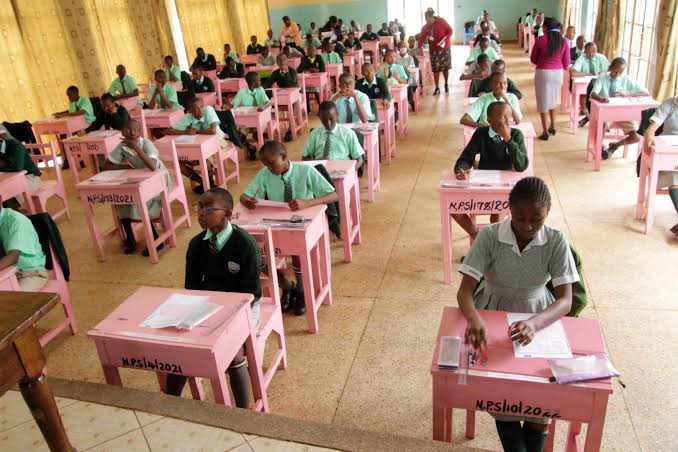
Kenya's 2026 national assessments have officially begun, with 1,298,089 learners sitting the Kenya Primary School Education Assessment (KPSEA) and 1,130,669 undertaking the Kenya Junior School Education Assessment (KJSEA). The exercise marks an important milestone in the implementation of the Compet
-
Health Cabinet Secretary Aden Duale has reassured Kenyans and the international community that Kenya has not imposed any travel, trade or tourism restrictions. He says the government is following World Health Organization (WHO) guidance, which advises against closing borders or imposing restrictions
-
Education Cabinet Secretary Julius Migos Ogamba on Monday, October 26, 2026, witnessed the opening of the KNEC examination container at the Makindu Sub-County Deputy County Commissioner's Office in Makueni County and oversaw the distribution of KPSEA and KJSEA assessment materials to designated cent
-
CS Kipchumba Murkomen together with other leaders attended and interdenominational church service and held a meeting with local leaders in Kongasis,Eburi ward in Nakuru County. He updated the residents on ongoing and upcoming development projects in the county including roads,stadiums,water, housi
-
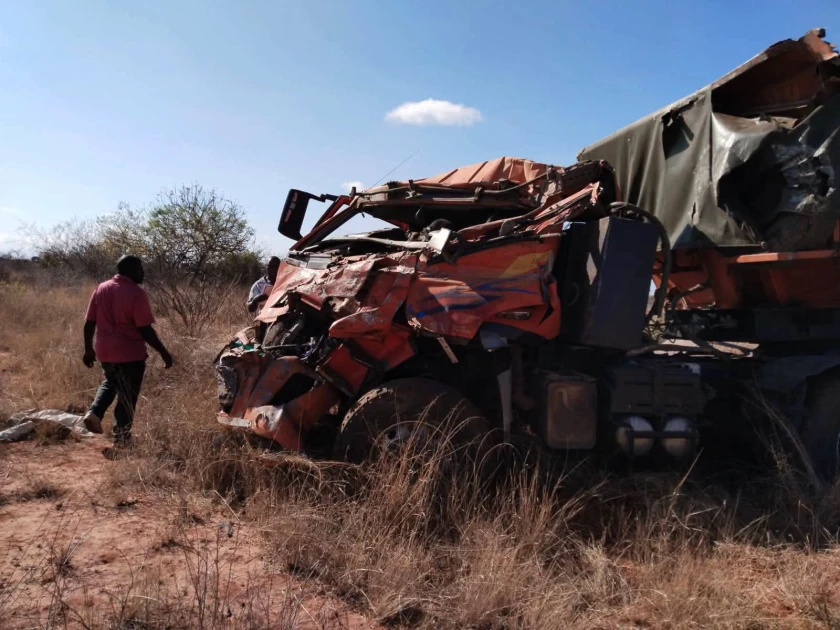
The death toll from the tragic road accident at Kanga area along the Mtito Andei–Mombasa Highway has risen to 24 after two more victims succumbed to injuries sustained in the crash. The incident has left families grieving and renewed concerns over road safety on one of Kenya’s major transport ro
-
President William Ruto has ordered the inspection of all public service vehicles to ensure compliance with road safety regulations following a tragic accident along the Nairobi–Mombasa Highway in Makueni County that claimed 24 lives. The directive aims to improve vehicle safety, strengthen enforce