Chief Justice Martha Koome Calls for More Funding to Prepare for 2027 Election Cases
Chief Justice Martha Koome’s call for adequate funding and stronger institutional preparation highlights the important role the Judiciary will play in Kenya’s 2027 General Election. Her announcement on October 28, 2026, of specialised training targeting more than 400 judicial officers demonstrates that preparations are already underway. The broader funding discussions concern the capacity of courts to handle election petitions, pre-election disputes and other cases without compromising the delivery of ordinary judicial services. For Kenya, the objective is not simply to prepare courts for a large number of cases. It is to ensure that every dispute is determined according to the law, that candidates and voters can exercise their rights, and that public confidence in the electoral process is protected. Adequate funding, skilled judicial personnel, reliable technology and cooperation among justice-sector institutions will all be important in achieving that objective. Ultimately, the success of the preparations will depend on the Judiciary’s ability to deliver independent, impartial and timely justice to all Kenyans.
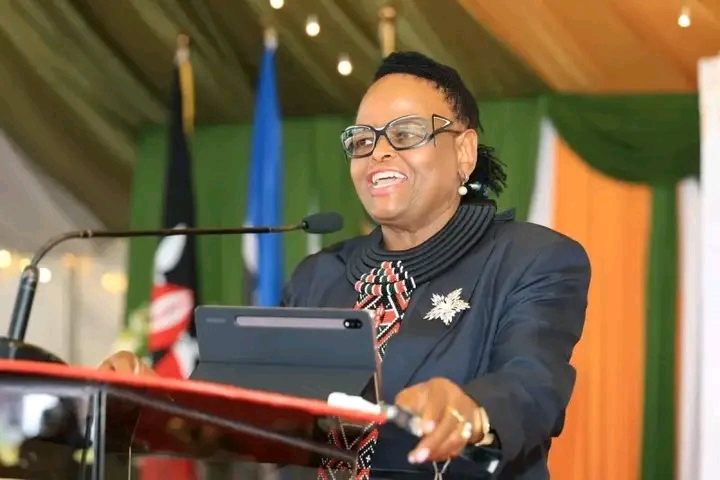
Chief Justice Martha Koome has called for adequate financial and logistical resources to prepare Kenya’s Judiciary for the expected increase in election-related disputes ahead of the 2027 General Election. The Chief Justice’s remarks come as the country’s judicial institutions intensify preparations to ensure that disputes arising before, during and after the elections are resolved fairly, independently and within the timelines prescribed by law.
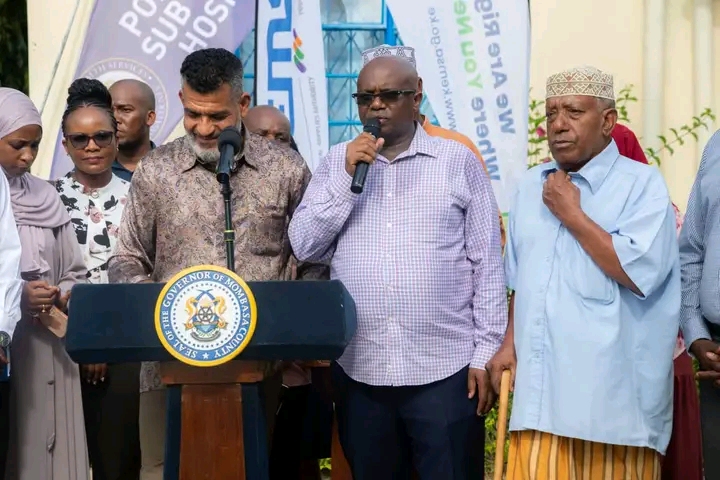
According to a report published on October 28, 2026, Koome announced the rollout of specialised election dispute resolution training targeting more than 400 judges, judicial officers and other relevant Judiciary personnel. The programme is intended to strengthen the courts’ capacity to handle electoral cases efficiently and consistently.The Judiciary is one of the key institutions responsible for protecting Kenya’s constitutional order. Its role becomes especially important during elections, when disagreements can arise over nominations, political party decisions, campaign regulations, voting procedures, vote counting and the announcement of results.
Koome’s call for adequate resources reflects the need to prepare the courts before these disputes arise rather than waiting until the election period is already underway.
Election-related cases often operate under strict legal deadlines. Courts must be ready to receive applications, organise hearings, examine evidence and deliver judgments within the applicable statutory timelines. If the Judiciary lacks sufficient staff, courtrooms, technology or operational funding, it could face difficulties handling a large number of cases simultaneously.The Judiciary has therefore been pursuing early preparation for the 2027 elections. Its leadership has emphasised that the demand for judicial services continues to grow faster than available resources, making adequate funding important for the delivery of justice.
The proposed additional resources are relevant to several areas, including training judicial officers, supporting election-related tribunals, strengthening court registries and improving access to information and digital evidence.
However, the amount specifically requested by Koome during her remarks on October 28 should not be confused with the Judiciary’s overall proposed budget. The available reporting confirms that the Judiciary is assessing its financial and logistical requirements, but does not establish a separate, exact figure personally requested by the Chief Justice at the Mombasa engagement.Training more than 400 judicial officers
One of the main developments announced by Koome on Wednesday was the rollout of specialised training in election dispute resolution.
The programme targets more than 400 judges, judicial officers and relevant Judiciary personnel. It is being undertaken through the Kenya Judicial Academy and the Judicial Committee on Elections, with the objective of strengthening the institution’s readiness for the next General Election.
Training for High Court judges began on October 28, following a specialised training-of-trainers programme involving approximately 40 participants. Those trained as trainers are expected to support the wider programme. Pre-election disputes can involve disagreements over political party nominations, the eligibility of candidates, party membership, electoral regulations and decisions made by relevant electoral institutions.
Political parties and aspiring candidates may approach courts or specialised tribunals when they believe their legal rights have been violated. Such disputes can affect campaign preparations and the final list of candidates if they are not resolved within the relevant timelines.
After the election, candidates who challenge declared results may file election petitions in the courts with jurisdiction over those disputes.
Depending on the office contested and the applicable law, cases may concern the validity of an election, alleged irregularities, compliance with electoral procedures or whether the declared winner met the legal requirements.Judicial officers must understand the circumstances in which a court has jurisdiction to hear a particular dispute, the evidence that may be admitted and the remedies available under the law. They must also be familiar with the procedures governing election petitions and the scrutiny of election materials.
The programme is expected to cover pre-election disputes, election petitions, jurisdiction, statutory timelines and scrutiny procedures.
By preparing officers in advance, the Judiciary hopes to improve consistency in judicial decisions while ensuring that every litigant receives fair treatment.
The programme also demonstrates that election preparedness involves more than recruiting additional personnel. It requires judges and court staff to understand the legal framework and practical demands of electoral litigation before the cases arrive.Collaboration between the Judiciary and other institutions
Preparing for election disputes requires cooperation among several institutions with different constitutional responsibilities.
The IEBC manages electoral processes, while the Judiciary determines legal disputes falling within its jurisdiction. Political parties, the Office of the Director of Public Prosecutions, the police, legal practitioners and other justice-sector agencies may also have responsibilities in matters connected to the election period.
The National Council on the Administration of Justice provides a forum through which relevant institutions can coordinate their work and discuss challenges affecting the delivery of justice.The Judiciary has identified support for the Judiciary Elections Committee and the Political Parties Disputes Tribunal as part of its election preparedness priorities. Its proposed 2026/27 budget also included operational support for new courts and tribunals, as well as improvements to information technology services.
Adequate resources would help relevant bodies manage cases, support their personnel and improve administrative efficiency.
Early resolution of disputes can reduce uncertainty for candidates and political parties. It can also help prevent unresolved disagreements from disrupting later stages of the electoral process.When disputes are handled efficiently and fairly, citizens have a lawful avenue for seeking redress instead of relying on confrontation or violence.
Timely decisions are especially important where a case could affect a candidate’s eligibility or the validity of an election result. Unresolved disputes can create uncertainty among political parties, candidates and their supporters.
The Judiciary’s preparations therefore seek to strengthen public confidence in the legal system.
Nevertheless, funding should be accompanied by accountability. Kenyans have a legitimate interest in understanding how public money allocated to election preparedness is used, which activities receive priority and whether the investment produces measurable improvements in service delivery.The wider budget challenge facing the Judiciary
Election preparedness comes at a time when the Judiciary must continue handling its ordinary responsibilities.
Courts across Kenya hear criminal cases, employment disputes, family matters, land conflicts, commercial disagreements and constitutional petitions. These services remain essential even when the country is preparing for a general election.
The proposed KSh50.7 billion Judiciary budget for the 2027/28 financial year is intended to support several priorities beyond electoral disputes. According to the Judiciary’s September 2026 statement, these include reducing case backlogs, improving case clearance, expanding access to justice, strengthening court infrastructure and investing in technology and staff development. The Judicial Service Commission separately proposed KSh1.833 billion. The training programme targeting more than 400 judicial officers is one of the concrete measures announced on October 28. The institution is also assessing the staffing, financial, technological and logistical support required to handle electoral disputes.
The next steps will involve strengthening the capacity of courts and relevant tribunals, ensuring that procedures are understood by judicial officers and improving public awareness of how election disputes are handled.
Political parties, candidates and voters also have a responsibility to familiarise themselves with electoral laws and observe the procedures for challenging decisions.
The IEBC and other institutions will need to continue coordinating with the Judiciary while respecting their separate mandates.
As budget deliberations proceed, the allocation of sufficient resources will remain an important issue. The effectiveness of these preparations will ultimately be judged by whether courts can handle cases competently, fairly and within the timelines required by law.

You Might Also Like
-
Deputy President Kithure Kindiki's visit to Juja on Wednesday, October 28, 2026, centred on the launch of the approximately 14-kilometre Kimbo–Matangi–Gwa Kairu Road, a project valued at KSh1.2 billion. Kindiki assured residents that construction would not stall and called on political leaders
-
A Nairobi court has declined to review the bail terms of a manyoka stunt matatu driver accused of causing a fatal crash along Enterprise Road in June. The accident claimed the lives of three passengers and left several others injured, raising renewed concerns about reckless driving and passenger saf
-
President William Ruto's visit to Moscow for the Third Russia–Africa Summit and Economic and Humanitarian Forum is an important diplomatic engagement for Kenya. The government is seeking to expand export markets, attract Russian investment, strengthen manufacturing, explore energy and infrastructu
-
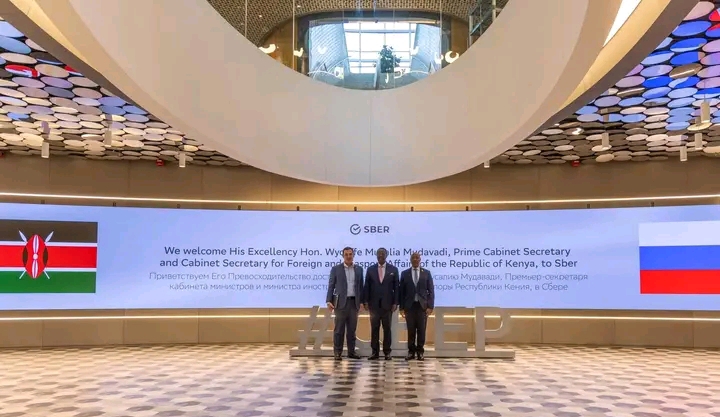 Musalia Mudavadi’s engagement with senior management at Sberbank’s headquarters in Moscow highlights Kenya’s efforts to strengthen economic diplomacy during the Third Russia–Africa Summit period. The meeting provides a potential platform for exploring financial services, digital innovation,
-
KEMSA's call for all 47 counties to allow SHA to facilitate payments for medicines highlights the need for a more dependable healthcare financing system in Kenya. The proposal seeks to improve the flow of money to the medical supply chain, reduce payment difficulties and help healthcare facilities m
-
William Owuor Ochieng’, popularly known on Facebook as “William Jahome,” has been arrested in Nairobi’s Central Business District over allegations of online threats, incitement to violence and ethnic hostility. The arrest has renewed attention on the growing concerns surrounding the misuse o