KEMSA Urges All 47 Counties to Allow SHA to Pay for Medicines
KEMSA's call for all 47 counties to allow SHA to facilitate payments for medicines highlights the need for a more dependable healthcare financing system in Kenya. The proposal seeks to improve the flow of money to the medical supply chain, reduce payment difficulties and help healthcare facilities maintain essential medicines. For the arrangement to deliver meaningful results, county governments, SHA, KEMSA and the Ministry of Health must agree on clear implementation procedures and ensure that approved payments translate into actual supplies. Ultimately, the success of the initiative will be measured not only by the amounts paid to suppliers but also by whether patients can obtain prescribed medicines without unnecessary delays or additional financial hardship.
Kenya’s healthcare financing system is facing renewed calls for reform following a push by the Kenya Medical Supplies Authority (KEMSA) for all 47 county governments to allow the Social Health Authority (SHA) to facilitate payments for medicines supplied to public health facilities. The proposal is aimed at strengthening the supply of essential medicines, reducing delays in payments to suppliers and ensuring that patients receive the drugs they need when they visit hospitals.
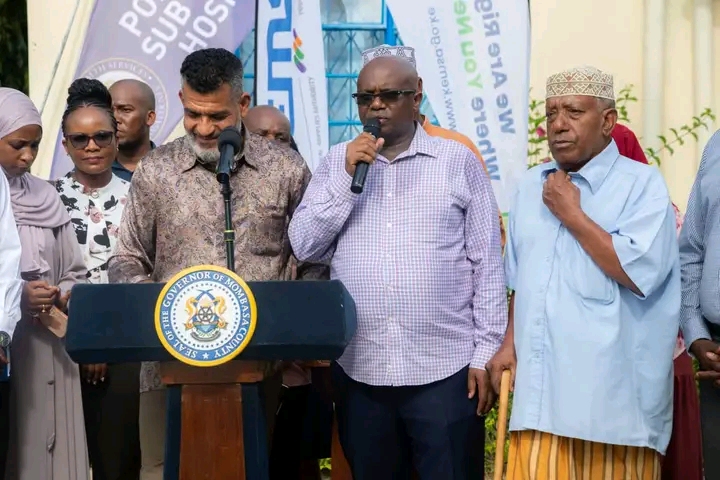
The issue came into focus in Mombasa during the opening of Port Hertz Hospital, where discussions surrounding healthcare access, medical supplies and the financing of public health services highlighted the importance of ensuring that hospitals have reliable access to medicines.
The proposal comes amid continuing efforts by the national government, county administrations, KEMSA and SHA to improve the delivery of healthcare under Kenya’s Universal Health Coverage agenda. One of the persistent challenges facing the healthcare system has been the difficulty some county governments experience in paying for medicines supplied to their facilities.KEMSA is responsible for procuring, storing and distributing essential medicines and other health products to public healthcare facilities across Kenya. Its work is important because hospitals and health centres depend on a consistent supply of medicines to treat patients, manage chronic illnesses and respond to emergencies.
However, the supply chain depends on more than purchasing medicines. KEMSA also needs adequate working capital to procure additional stock, pay suppliers and distribute medical products to health facilities throughout the country.
When county governments delay payments for medicines already supplied, the resulting debts can put pressure on KEMSA's finances. This may complicate the procurement of new supplies and make it more difficult to respond to the growing demand for healthcare services.How the SHA payment arrangement could work
The Social Health Authority is responsible for administering Kenya's social health insurance arrangements. Through its healthcare financing framework, eligible healthcare providers submit claims for covered services delivered to registered beneficiaries.
KEMSA's proposed approach seeks to strengthen the connection between these claims and the financing of medicines.
In March 2026, the Ministry of Health announced a contract addendum introducing a split-payment mechanism for major national referral hospitals. Under the arrangement described by Health Cabinet Secretary Aden Duale, SHA can remit an agreed portion of approved claims directly to KEMSA to support the supply of medicines and medical commodities. A centralised digital platform is also intended to improve visibility of supplies, consumption and orders. Why county governments are central to the proposal
Kenya has 47 county governments, each with responsibilities for managing county health facilities, including many dispensaries, health centres and county hospitals.
Although the national government establishes national health policies and administers national health financing arrangements, county administrations play a central role in delivering healthcare services to residents.
For the SHA–KEMSA arrangement to work effectively across the country, county governments would need to cooperate with the relevant institutions and ensure that their health facilities follow the agreed procedures.Why county governments are central to the proposal
Kenya has 47 county governments, each with responsibilities for managing county health facilities, including many dispensaries, health centres and county hospitals.
Although the national government establishes national health policies and administers national health financing arrangements, county administrations play a central role in delivering healthcare services to residents.
For the SHA–KEMSA arrangement to work effectively across the country, county governments would need to cooperate with the relevant institutions and ensure that their health facilities follow the agreed procedures.The significance of the Port Hertz Hospital opening in Mombasa
The opening of Port Hertz Hospital in Mombasa, as described in the event information provided, brings attention to the importance of healthcare infrastructure and sustainable financing.
A hospital needs more than buildings, consultation rooms and medical equipment to provide quality services. It must also have sufficient medicines, trained health professionals, diagnostic facilities and reliable financial arrangements.
For patients, access to medicines can make a substantial difference in the quality and continuity of treatment they receive.
A person seeking treatment for an infection, for example, may require prescribed medication immediately. A patient with diabetes or high blood pressure may need medicines regularly to control the condition and reduce the risk of complications.Although the proposal has the potential to improve the supply of medicines, several challenges must be addressed.
One is the financial position of SHA. If approved claims are not paid on time, KEMSA may still face difficulties maintaining a reliable supply chain.
Another challenge is the variation in capacity between county health departments and individual facilities. Some hospitals may have strong digital systems and trained personnel, while others may need additional support to maintain accurate inventory and claims records.
The integration of digital systems is also important. Information about medicine orders, deliveries, dispensing and reimbursement must be accurate and accessible to authorised institutions.There must also be clear procedures for handling medicines that are not covered under the relevant SHA benefits or claims that require further verification.
In addition, the proposed system must clarify how existing county debts to KEMSA will be handled. A mechanism that improves payments for new medicines would not automatically settle outstanding bills accumulated under earlier arrangements.
These issues require sustained engagement among the national government, county administrations and the institutions responsible for health financing.The SHA–KEMSA proposal addresses an important part of this objective: ensuring that financing arrangements support the availability of medicines at healthcare facilities.
The Ministry of Health has already outlined measures aimed at strengthening the supply of medical commodities through direct payments to KEMSA and improved digital monitoring.
Extending effective arrangements to county facilities would require cooperation from all 47 county governments, as well as sufficient financing, transparent procedures and consistent oversight.
The opening of Port Hertz Hospital in Mombasa provides a timely context for discussing these issues, because the value of healthcare infrastructure ultimately depends on whether patients can access the services and medicines they need.

You Might Also Like
-
Deputy President Kithure Kindiki's visit to Juja on Wednesday, October 28, 2026, centred on the launch of the approximately 14-kilometre Kimbo–Matangi–Gwa Kairu Road, a project valued at KSh1.2 billion. Kindiki assured residents that construction would not stall and called on political leaders
-
Chief Justice Martha Koome’s call for adequate funding and stronger institutional preparation highlights the important role the Judiciary will play in Kenya’s 2027 General Election. Her announcement on October 28, 2026, of specialised training targeting more than 400 judicial officers demonstrat
-
A Nairobi court has declined to review the bail terms of a manyoka stunt matatu driver accused of causing a fatal crash along Enterprise Road in June. The accident claimed the lives of three passengers and left several others injured, raising renewed concerns about reckless driving and passenger saf
-
President William Ruto's visit to Moscow for the Third Russia–Africa Summit and Economic and Humanitarian Forum is an important diplomatic engagement for Kenya. The government is seeking to expand export markets, attract Russian investment, strengthen manufacturing, explore energy and infrastructu
-
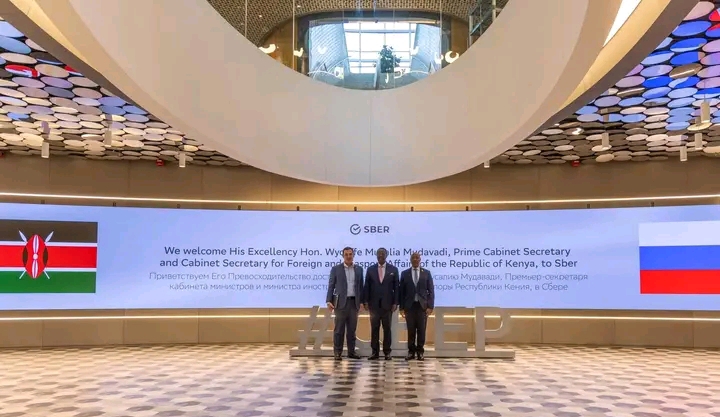 Musalia Mudavadi’s engagement with senior management at Sberbank’s headquarters in Moscow highlights Kenya’s efforts to strengthen economic diplomacy during the Third Russia–Africa Summit period. The meeting provides a potential platform for exploring financial services, digital innovation,
-
William Owuor Ochieng’, popularly known on Facebook as “William Jahome,” has been arrested in Nairobi’s Central Business District over allegations of online threats, incitement to violence and ethnic hostility. The arrest has renewed attention on the growing concerns surrounding the misuse o