Nairobi Court Declines Bail Review for Manyoka Matatu Driver in Fatal Enterprise Road Crash
A Nairobi court has declined to review the bail terms of a manyoka stunt matatu driver accused of causing a fatal crash along Enterprise Road in June. The accident claimed the lives of three passengers and left several others injured, raising renewed concerns about reckless driving and passenger safety. The case highlights the need for responsible driving, stricter enforcement of traffic regulations and greater accountability within the public transport sector. The accused will continue to face the legal process as the court considers the case in accordance with the law.
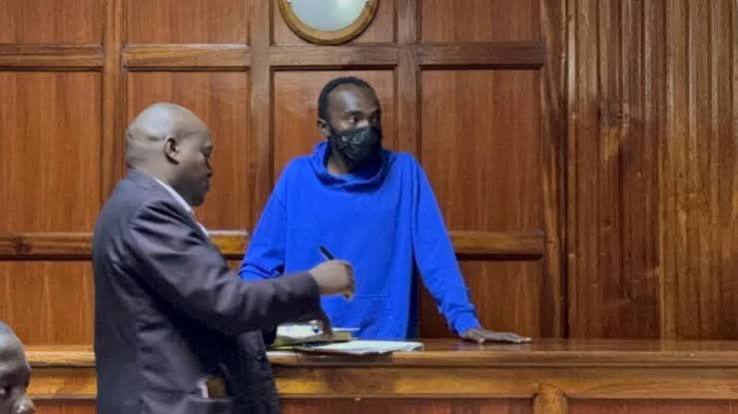
A Nairobi court has declined to review the bail terms of a matatu driver associated with the manyoka stunt-driving culture who is accused of causing a road crash that claimed the lives of three passengers and left several others injured along Enterprise Road in June. The decision means the driver’s request for a review of the existing bail arrangements has not been granted, as the case continues through the judicial process. The incident has renewed concerns about dangerous driving practices, passenger safety and the need for stricter compliance with traffic regulations on Kenyan roads.
The crash along Enterprise Road was a tragic incident that resulted in the loss of three lives and injuries to other passengers. Such accidents highlight the risks faced by public service vehicle passengers when drivers engage in reckless manoeuvres or fail to observe road safety requirements. Public transport remains an essential service for thousands of Kenyans who depend on matatus to travel to work, school, businesses and other destinations. Ensuring that these journeys are safe requires responsible driving, effective supervision and consistent enforcement of traffic laws.
The driver at the centre of the case is accused of being involved in a crash linked to the manyoka matatu culture, which is associated with vehicles displaying modified appearances, loud music and, in some cases, aggressive driving or dangerous road manoeuvres. While the culture itself includes different forms of vehicle customisation and entertainment, concerns arise when drivers or operators engage in activities that put passengers and other road users at risk. Dangerous stunts, excessive speeding, abrupt lane changes and disregard for traffic rules can have devastating consequences.
The court’s refusal to review bail is an important development in the ongoing proceedings, but it should not be interpreted as a final determination of the driver’s guilt or innocence. Bail decisions concern the terms under which an accused person may remain out of custody while a case proceeds. The determination of criminal responsibility is a separate matter that must be established through evidence and the judicial process. The accused remains entitled to a fair hearing and the presumption of innocence until proven guilty.
Bail decisions are guided by legal considerations intended to balance the rights of an accused person with the interests of justice and public safety. Depending on the circumstances of a case, a court may consider factors such as the nature of the allegations, the likelihood that an accused person will attend future court proceedings, the possibility of interference with witnesses and other relevant matters. Any application to review bail conditions must be considered within the applicable legal framework and on the basis of the information presented before the court.
In this case, the court declined to alter the existing bail arrangements after considering the application before it. The specific reasons for the decision and the detailed conditions currently in force have not been established in the information available. It would therefore be inappropriate to speculate about the court’s reasoning or suggest that the decision amounts to a conviction. The proceedings will continue in accordance with the law, with the prosecution required to present its case and the defence entitled to challenge the evidence.
The fatal crash has also drawn attention to the wider challenges associated with road safety in Nairobi, where heavy traffic, pressure to meet daily targets and competition among public transport operators can create difficult operating conditions. However, these challenges do not excuse reckless driving or conduct that endangers passengers. Drivers of public service vehicles have a responsibility to protect the people who entrust them with their safety, regardless of traffic congestion, passenger demand or pressure from vehicle owners.
Matatu drivers transport large numbers of people every day, making their conduct on the road particularly important. A single dangerous manoeuvre can affect passengers inside a vehicle, pedestrians crossing the road, motorists travelling nearby and other road users who may have little time to react. When a vehicle is travelling at high speed or moving unpredictably between lanes, the likelihood of a serious collision can increase. Responsible driving practices are therefore essential in preventing avoidable deaths and injuries.
The manyoka matatu culture has attracted attention among young people and transport enthusiasts, with some vehicles becoming recognisable for their customised designs, entertainment systems and distinctive public image. These features do not automatically make a vehicle unsafe. The central concern is whether the vehicle is operated in compliance with traffic laws and whether the driver prioritises passenger welfare. Vehicle owners, crews and drivers must ensure that efforts to attract attention or compete for customers never come at the expense of safety.
Passengers also have an important role in promoting responsible transport practices. People who notice a driver speeding excessively, performing dangerous manoeuvres or operating a vehicle in a manner that threatens their safety should report the matter through appropriate channels where possible. Passengers should not be pressured into accepting dangerous conduct simply because they need to reach their destinations quickly. Public awareness can help strengthen demand for safer transport services and encourage operators to take their responsibilities seriously.
At the same time, responsibility for road safety cannot rest solely on passengers. Vehicle owners and public service vehicle operators must ensure that their drivers are appropriately qualified, understand traffic regulations and are held accountable for unsafe behaviour. Regular vehicle inspections, proper maintenance and compliance with operating requirements are also necessary. Where operators ignore repeated complaints or allow dangerous practices to continue, the risk to the travelling public may increase.
Transport regulators and traffic enforcement agencies have a role in ensuring that public service vehicles comply with established safety standards. Enforcement measures may include inspections, action against traffic violations and investigations into serious crashes. Consistency is particularly important because isolated crackdowns may not prevent unsafe practices from returning once enforcement activities decrease. Sustainable improvements require regular monitoring, accountability and cooperation among regulators, operators, drivers and the public.
Investigations into serious road crashes are also essential in determining how an incident occurred and whether any offences were committed. Investigators may examine witness accounts, vehicle conditions, available video footage, road markings and other evidence relevant to the circumstances of a collision. Such evidence can help establish the sequence of events and identify whether speeding, reckless manoeuvres, mechanical problems or other factors contributed to the crash. Conclusions should be based on the evidence gathered rather than assumptions about a particular vehicle or driving culture.
The loss of three passengers in the Enterprise Road crash is a reminder that road accidents have consequences extending far beyond the immediate scene. Families may lose their primary earners, children may lose parents, and relatives can be left facing emotional distress and financial uncertainty. Survivors who sustain injuries may require medical treatment, rehabilitation and time away from work or education. These effects can continue long after the immediate emergency response has ended.
For families affected by fatal accidents, the legal process can be an important part of seeking accountability and understanding what happened. However, court proceedings may take time as evidence is presented, witnesses testify and legal arguments are considered. It is important that the process is conducted fairly and thoroughly, allowing the court to reach its conclusions on the basis of admissible evidence. Public concern over road safety should not replace the need for a fair and impartial hearing.
The court’s decision not to review the driver’s bail arrangements is therefore one step in a case that remains before the justice system. It does not, on its own, resolve the allegations connected to the June crash. Further proceedings will be necessary to determine the facts and establish whether the accused bears criminal responsibility for the deaths and injuries. Until that determination is made, the allegations must remain allegations.
The incident also presents an opportunity for the public transport sector to reflect on the importance of safety over spectacle. Matatus are an integral part of Kenya’s urban transport system, providing mobility for workers, students, traders and other commuters. Their contribution to the economy is significant, but public confidence depends on the ability of operators to offer reliable services without exposing passengers to unnecessary danger. Entertainment, vehicle customisation and competition for customers should never override the duty to protect human life.

You Might Also Like
-
Deputy President Kithure Kindiki's visit to Juja on Wednesday, October 28, 2026, centred on the launch of the approximately 14-kilometre Kimbo–Matangi–Gwa Kairu Road, a project valued at KSh1.2 billion. Kindiki assured residents that construction would not stall and called on political leaders
-
Chief Justice Martha Koome’s call for adequate funding and stronger institutional preparation highlights the important role the Judiciary will play in Kenya’s 2027 General Election. Her announcement on October 28, 2026, of specialised training targeting more than 400 judicial officers demonstrat
-
President William Ruto's visit to Moscow for the Third Russia–Africa Summit and Economic and Humanitarian Forum is an important diplomatic engagement for Kenya. The government is seeking to expand export markets, attract Russian investment, strengthen manufacturing, explore energy and infrastructu
-
 Musalia Mudavadi’s engagement with senior management at Sberbank’s headquarters in Moscow highlights Kenya’s efforts to strengthen economic diplomacy during the Third Russia–Africa Summit period. The meeting provides a potential platform for exploring financial services, digital innovation,
-
KEMSA's call for all 47 counties to allow SHA to facilitate payments for medicines highlights the need for a more dependable healthcare financing system in Kenya. The proposal seeks to improve the flow of money to the medical supply chain, reduce payment difficulties and help healthcare facilities m
-
William Owuor Ochieng’, popularly known on Facebook as “William Jahome,” has been arrested in Nairobi’s Central Business District over allegations of online threats, incitement to violence and ethnic hostility. The arrest has renewed attention on the growing concerns surrounding the misuse o