



Esther Passaris Explains Support for Ruto, Citing Development Projects in Nairobi
Esther Passaris Explains Support for Ruto, Citing Development Projects in Nairobi
Esther Passaris Explains Support for Ruto, Citing Development Projects in Nairobi
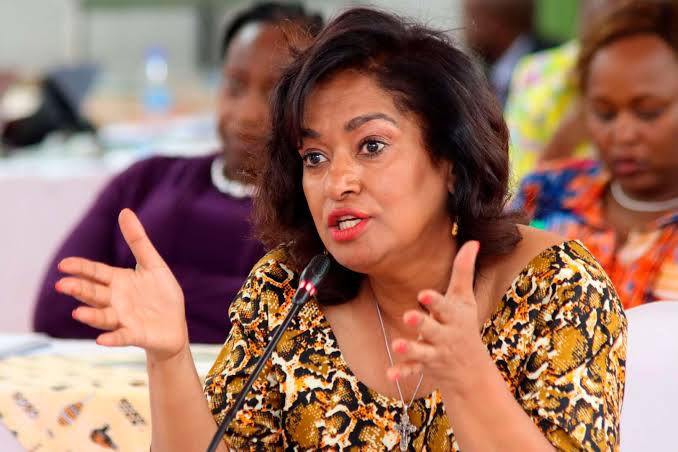
Nairobi Woman Representative Esther Passaris has explained her continued support for President William Ruto, saying she has backed his administration because she can see development projects being implemented across the country, particularly in Nairobi.
Passaris said her support for the President is influenced by what she described as visible work being undertaken by the government in key areas, including affordable housing, the regeneration of the Nairobi River and improvements to sewer infrastructure.
According to Passaris, the implementation of development projects is an important consideration when assessing the performance of a government. She pointed to ongoing efforts in Nairobi as evidence of initiatives that she believes have the potential to improve living conditions for residents.
“Ruto has my support because I can see the work being done,” Passaris said, highlighting affordable housing, the regeneration of the Nairobi River and improvements to sewer infrastructure.
Her remarks place emphasis on development and service delivery as key reasons behind her political position. Rather than focusing solely on political alliances, Passaris said her support is informed by projects that she believes can have a direct impact on ordinary Kenyans.
Affordable housing was among the major areas she highlighted. The government has continued to promote its affordable housing programme as one of its key development priorities, with the initiative aimed at increasing access to housing while creating employment opportunities within the construction sector.
For Nairobi residents, housing remains an important issue, particularly because of the high cost of accommodation in many parts of the city. Passaris' reference to affordable housing therefore underlines the importance she attaches to programmes intended to address the housing needs of urban populations.
She also highlighted the regeneration of the Nairobi River as another reason for her support. The Nairobi River and its tributaries have for years faced challenges associated with pollution, illegal dumping, encroachment and inadequate waste management.
Efforts to restore the river have therefore attracted significant attention, particularly because the waterway passes through densely populated parts of the capital.
The regeneration programme is intended to improve the environment around the river while addressing some of the challenges that have affected communities living near its banks. Cleaner waterways and improved surroundings could also contribute to better public health and a more attractive urban environment.
Passaris further cited improvements to sewer infrastructure as an important area of government work. Sewerage remains a major concern in rapidly growing urban areas, where population growth can place pressure on existing infrastructure.
In Nairobi, inadequate sewer networks and ageing infrastructure have contributed to sanitation challenges in some neighbourhoods. Investment in sewer infrastructure can help improve sanitation, reduce pollution and support healthier living conditions for residents.
By highlighting these three areas, Passaris has framed her support for Ruto around projects that she says are visible and capable of producing practical benefits.
Her comments come against the backdrop of continued political debate over the performance of the Kenya Kwanza administration. The government has faced both support and criticism over its policies and development agenda, with different political leaders taking varying positions on its record.
Passaris' statement provides a clear indication that she believes development outcomes should form part of the basis for evaluating the administration.
The Nairobi Woman Representative has been an influential voice in national and city politics, and her comments are likely to attract attention as political discussions intensify ahead of the 2027 General Election.
Her support for President Ruto could also fuel debate within Nairobi, where political alignments are expected to play a significant role in the next election.
For Passaris, however, the focus remains on what she describes as tangible development taking place under the current administration.
The affordable housing programme, river regeneration and sewer infrastructure are all areas that directly affect urban life. Housing determines where families live, environmental programmes affect the quality of the surroundings, while sewer infrastructure is essential for sanitation and public health.
By bringing these issues together, Passaris has presented her support as being connected to development priorities rather than political rhetoric alone.
Her remarks also highlight the importance of Nairobi in the national development agenda. As Kenya's capital and largest urban centre, Nairobi faces numerous infrastructure challenges associated with rapid population growth and urbanisation.
The city requires continuous investment in roads, drainage, water, sanitation, housing and environmental management. Government projects targeting these areas can therefore have a significant impact on the daily lives of residents.
The regeneration of the Nairobi River, in particular, has broader environmental implications. Restoring the river system requires attention not only to the waterways themselves but also to waste disposal, drainage systems and settlements located along river corridors.
Similarly, sewer improvements require long-term investment and proper maintenance to ensure that infrastructure can cope with the needs of a growing population.
Passaris' comments suggest that she considers progress in these areas to be an important measure of government performance.
Her statement also comes at a time when political leaders are increasingly positioning themselves ahead of the 2027 elections. The development record of the current administration is expected to be a major subject of political debate, with supporters pointing to completed and ongoing projects while critics continue to question the government's policies and priorities.
Against this backdrop, Passaris' decision to publicly explain her support gives voters an indication of the issues she considers important.
The Nairobi Woman Representative has specifically pointed to development projects rather than making a broad political endorsement. Her argument is that government initiatives should be judged by their impact on people's lives and the visible changes taking place in communities.
Affordable housing, environmental restoration and sanitation infrastructure are issues that can directly affect millions of people, particularly in urban areas.
Passaris' remarks are therefore likely to generate further discussion about the government's development agenda and whether ongoing projects are delivering the promised benefits.
As the country moves closer to the 2027 General Election, development will remain an important part of political messaging. Leaders supporting the government are expected to highlight infrastructure and social programmes as evidence of progress, while opponents are likely to scrutinise their implementation and impact.
For Passaris, the projects she has identified provide sufficient grounds for her current position.
Her endorsement also demonstrates the continuing political importance of Nairobi, where questions of housing, sanitation, environmental protection and infrastructure remain central to residents' concerns.
As government projects continue, their actual impact on Nairobi residents will likely remain a key part of the debate.
For now, Passaris has made her position clear, saying her support for President Ruto is based on what she sees as ongoing development work. She has singled out affordable housing, the regeneration of the Nairobi River and improvements to sewer infrastructure as examples of projects that have influenced her stance.
Her comments add to the wider national debate over the performance of the Kenya Kwanza administration and the issues likely to shape the political landscape ahead of the 2027 General Election.
Ultimately, Passaris says her support is rooted in the development she can see on the ground and the potential of these projects to improve the lives of Kenyans, particularly residents of Nairobi.

You Might Also Like
-
Moi International Airport in Mombasa has been severely disrupted following the ongoing aviation workers’ strike that began on August 30, 2026. The industrial action by Kenya Aviation Workers Union (KAWU) members has affected airport operations, resulting in flight delays, cancellations and strande
-
Kipkelion elders today, August 31, 2026, held a crucial meeting to deliberate on the proposed Londiani Referral Hospital, amid growing concerns over the project's delayed implementation and reports of a possible change of location. The elders are said to have reaffirmed their interest in having the
-
A 45-year-old woman identified as Doris Murei Nandi was allegedly shot dead on Sunday, August 30, 2026, at the GSU Mess near the Eldoret State Lodge following a dispute with Police Constable Nathan Kirwa. Police recovered seven spent 9mm cartridges and a rifle holster at the scene. Kirwa reportedly
-
Kenya's aviation sector is facing major disruption after Kenya Aviation Workers Union (KAWU) members resumed their strike on Sunday, August 30, 2026, with the industrial action entering its second day on Monday. The strike has disrupted operations at Jomo Kenyatta International Airport (JKIA), Moi I
-
The Chinese contractor undertaking the construction of the Rironi–Mau Summit road is expected to complete the tarmacking of the Rironi–Naivasha section by December, in a development that could provide major relief to motorists who have endured persistent traffic congestion along the busy route.
-
Kelvin Kimwatu Withdraws Court Case Over Burial of Wife Rosemary Chemutai Koech