



JKIA Paralysed as Aviation Workers Strike Enters Second Day, Leaving Thousands of Passengers Stranded
Kenya's aviation sector is facing major disruption after Kenya Aviation Workers Union (KAWU) members resumed their strike on Sunday, August 30, 2026, with the industrial action entering its second day on Monday. The strike has disrupted operations at Jomo Kenyatta International Airport (JKIA), Moi International Airport and other facilities, leaving hundreds of passengers stranded, with some spending the night at airport terminals as flights were delayed, cancelled or rescheduled. Workers from the Kenya Airports Authority, Kenya Civil Aviation Authority and Jambojet are demanding better pay, improved working conditions, staff welfare, collective bargaining agreements and implementation of previous commitments. The strike follows the collapse of a government-brokered framework agreement reached on July 27, which temporarily suspended an earlier strike. Government officials and the union have resumed talks, but no immediate settlement had been reached as of Monday morning. Airlines have advised passengers to check their flight status before travelling, while some carriers have begun arranging accommodation for stranded travellers.
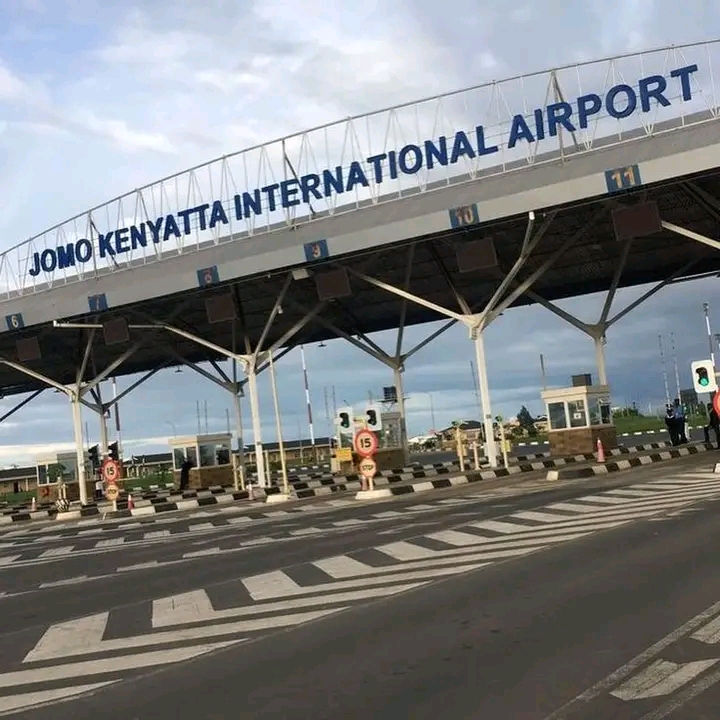
NAIROBI, August 31, 2026 — Kenya’s aviation sector has been thrown into fresh turmoil after workers under the Kenya Aviation Workers Union (KAWU) resumed industrial action, disrupting operations at Jomo Kenyatta International Airport (JKIA) and other major airports across the country.
The strike, which began on Sunday, August 30, entered its second day on Monday with hundreds of passengers stranded at JKIA after flights were delayed, cancelled or rescheduled. Some travellers were forced to spend the night inside the airport as they waited for airlines to provide information and alternative arrangements.
The latest confrontation has revived a long-running dispute between aviation workers, their employers and the government over employment terms, remuneration, collective bargaining agreements and working conditions.
Passengers bear the brunt of the strike
The immediate impact has been felt by passengers using JKIA, Kenya’s main international aviation gateway.
Travellers arriving at the airport expecting to board scheduled flights instead encountered long waits, changing departure times and uncertainty over whether their flights would operate.
Some passengers reportedly remained at the airport for more than 12 hours, while others spent the night in airport lounges and terminal areas waiting for guidance from airlines.
By Monday morning, some airlines had started arranging hotel accommodation for affected passengers as they worked to manage the growing backlog.
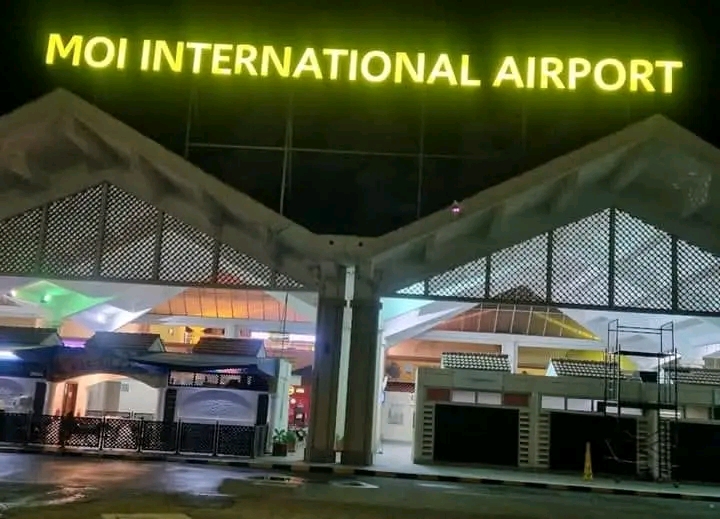
At Moi International Airport in Mombasa, the situation was also disruptive, with passengers reporting delayed flights and uncertainty over when normal services would resume.
The disruption has affected both domestic and international travellers, creating the possibility of missed connecting flights, cancelled trips and additional accommodation and transport costs.
For passengers travelling for business, education, tourism or medical appointments, the uncertainty has added further pressure.
Why are aviation workers on strike?
At the centre of the dispute is KAWU's claim that previously negotiated commitments have not been implemented.
The union represents workers in different parts of Kenya's aviation industry and has raised concerns involving the Kenya Airports Authority (KAA), Kenya Civil Aviation Authority (KCAA) and Jambojet.
According to reports, workers are demanding improved remuneration, better working conditions, staff welfare and implementation of previously agreed employment benefits.
The union is also unhappy about the progress of collective bargaining negotiations.
KAWU Secretary-General Moss Ndiema has said the union decided to resume the strike after concluding that the commitments made during earlier negotiations had not been honoured.
A major point of contention involves negotiations with KCAA and outstanding salary-related issues. The union has argued that some workers have gone for years without the salary adjustments they are demanding.
The dispute has therefore moved beyond a simple disagreement over salaries. It now includes questions about worker representation, employment practices, staff welfare and the relationship between the union and aviation management.
The July agreement that failed to prevent another strike
The current strike follows an agreement reached on July 27, 2026, after the government intervened to prevent an earlier industrial action.
Roads and Transport Cabinet Secretary Davis Chirchir brought together the union and aviation employers in an attempt to create a framework for resolving the disputes.
The agreement temporarily suspended the strike and provided a period for the parties to negotiate individual issues.
However, KAWU says the negotiations failed to produce the desired results.
The union subsequently lifted the suspension and ordered workers to resume industrial action.
KAWU's position is that workers had honoured their side of the agreement but that some employers failed to sufficiently engage with the union or resolve the outstanding grievances.
The collapse of the temporary settlement has now created another major disruption at a time when JKIA is handling large volumes of passengers.
KAA responds as flights are disrupted
The Kenya Airports Authority has acknowledged that airport operations have been affected.
KAA said it was working with aviation agencies, airlines and other stakeholders to manage the situation and minimise disruption.
The authority has also advised passengers to contact their respective airlines for the latest information regarding their flights before travelling to the airport.
However, the response has not immediately restored normal operations.
The strike has exposed how dependent airport operations are on different groups of workers. Even when airlines remain operational, disruption among airport authorities, air traffic services and other essential personnel can quickly affect the entire travel chain.
Kenya Airways flights also affected
Kenya Airways has also reported operational challenges at JKIA.
The national carrier attributed delays to constraints within air traffic control services. Reports indicated that flights were experiencing delays of several hours, with some passengers facing much longer waiting periods.
The airline has continued updating customers as it works to clear the backlog.
Because JKIA is an important regional aviation hub, disruption there does not affect only passengers travelling to Nairobi. It can also affect travellers connecting through Nairobi to destinations across Africa, Europe, Asia and the Middle East.
A delay of several hours on one flight can therefore create a chain reaction involving connecting flights, aircraft rotations and crew schedules.
Mombasa and other airports affected
Although JKIA has attracted the most attention because of its size and importance, the industrial action is not limited to Nairobi.
Moi International Airport in Mombasa has also experienced disruption.
Reports indicate that passengers at the coastal airport were left waiting as flights were delayed and airport services were affected.
This is significant for Kenya's tourism industry because Mombasa is one of the country's major tourist destinations.
International visitors arriving through Mombasa depend on reliable airport operations to connect with hotels, resorts and other tourism facilities along the Kenyan coast.
A prolonged strike could therefore have consequences beyond airports, affecting hotels, tour operators, taxi operators, restaurants and other businesses that depend on the movement of travellers.
Concerns over the economic impact
The aviation sector plays a critical role in Kenya's economy.
JKIA is a major gateway for international trade, tourism, business travel and cargo transportation.
A prolonged disruption could therefore create wider economic consequences.
Airlines may have to reschedule flights, provide accommodation for stranded passengers and reorganise aircraft and crew schedules. Passengers may incur additional costs for hotels, meals and alternative transport.
Businesses expecting clients, tourists or cargo may also experience delays.
The tourism sector could be particularly vulnerable if international travellers begin to perceive Kenya's aviation system as unreliable.
However, the duration and ultimate economic impact of the current strike will depend heavily on how quickly the government, aviation agencies and the union reach a settlement.
Government and union talks continue
Despite the disruption, there have been efforts to bring the two sides back to the negotiating table.
According to Reuters, government officials and KAWU held discussions on Sunday, but the talks did not immediately resolve the dispute. Further negotiations were expected to continue on Monday.
The key challenge for negotiators is finding an agreement that addresses the workers' concerns while allowing airport operations to return to normal.
For passengers, the priority is an immediate restoration of services.
For the workers, however, simply returning to work without addressing the underlying grievances could result in another strike in the future.
A dispute that has repeatedly returned
The latest strike is not an isolated incident.
Kenyan aviation workers have staged or threatened industrial action several times as they push for improved employment conditions.
The recurring disputes point to deeper problems in labour relations within the aviation sector.
The July agreement was supposed to provide a pathway for resolving these issues through negotiations. Its failure to prevent another strike less than two months later has raised questions about whether temporary agreements are sufficient to resolve longstanding disputes.
For the aviation industry, the bigger challenge is therefore not simply ending the current strike but establishing a durable agreement that prevents repeated disruptions.
What passengers should do
Travellers scheduled to use JKIA or other affected airports are being urged to check directly with their airlines before travelling.
Passengers should confirm whether their flight is operating, whether the departure time has changed and whether the airline has made alternative accommodation or rebooking arrangements.
Travellers with connecting flights should also pay close attention to their connection times because even a relatively short delay could result in a missed onward flight.
The Kenya Airports Authority has specifically advised passengers to seek the latest flight information from their airlines.
What happens next?
The immediate future of Kenya's aviation sector depends on the outcome of the negotiations between KAWU, the government and the affected aviation employers.
If the parties reach an agreement, airport operations could gradually return to normal, although airlines may need additional time to clear passengers affected by the backlog.
If no agreement is reached, the disruption could continue, potentially resulting in more cancellations, delays and stranded passengers.
The events at JKIA have once again demonstrated how quickly a labour dispute can affect thousands of ordinary travellers.
For now, the airport remains at the centre of a major industrial dispute, with passengers waiting for a resolution while aviation workers insist that their longstanding grievances must be addressed.
The key question is no longer simply when the strike will end, but whether the government and aviation employers can reach a lasting agreement with the workers that will prevent another disruption in the future.

You Might Also Like
-
Moi International Airport in Mombasa has been severely disrupted following the ongoing aviation workers’ strike that began on August 30, 2026. The industrial action by Kenya Aviation Workers Union (KAWU) members has affected airport operations, resulting in flight delays, cancellations and strande
-
Kipkelion elders today, August 31, 2026, held a crucial meeting to deliberate on the proposed Londiani Referral Hospital, amid growing concerns over the project's delayed implementation and reports of a possible change of location. The elders are said to have reaffirmed their interest in having the
-
Esther Passaris Explains Support for Ruto, Citing Development Projects in Nairobi
-
A 45-year-old woman identified as Doris Murei Nandi was allegedly shot dead on Sunday, August 30, 2026, at the GSU Mess near the Eldoret State Lodge following a dispute with Police Constable Nathan Kirwa. Police recovered seven spent 9mm cartridges and a rifle holster at the scene. Kirwa reportedly
-
The Chinese contractor undertaking the construction of the Rironi–Mau Summit road is expected to complete the tarmacking of the Rironi–Naivasha section by December, in a development that could provide major relief to motorists who have endured persistent traffic congestion along the busy route.
-
Kelvin Kimwatu Withdraws Court Case Over Burial of Wife Rosemary Chemutai Koech